


Are disposable cutlery kits safe for food contact?
Sep 09, 2025
Leave a message
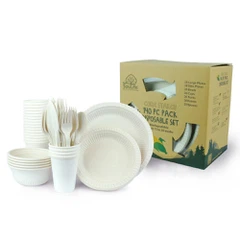
As a supplier of Cutlery Kits Disposable, I often encounter questions from customers regarding the safety of using disposable cutlery for food contact. This concern is entirely valid, considering that our health is directly linked to what we eat and the tools we use to consume it. In this blog post, I'll delve into the safety aspects of disposable cutlery kits, exploring the materials used, potential risks, and the measures taken to ensure they meet safety standards.
Materials Used in Disposable Cutlery Kits
Disposable cutlery kits come in a variety of materials, each with its own set of characteristics and safety considerations. The most common materials include plastic, bamboo, and paper.
Plastic
Plastic is perhaps the most widely used material for disposable cutlery due to its low cost and durability. However, there have been concerns about the safety of certain types of plastics, particularly those containing bisphenol A (BPA) and phthalates. BPA is a chemical that has been linked to hormone disruption and other health issues, while phthalates are used to make plastics more flexible and have been associated with reproductive problems.
To address these concerns, many manufacturers have switched to using BPA-free and phthalate-free plastics in their disposable cutlery. These plastics, such as polypropylene (PP) and polyethylene (PE), are considered safe for food contact by regulatory agencies like the U.S. Food and Drug Administration (FDA) and the European Food Safety Authority (EFSA). They are also resistant to heat and chemicals, making them suitable for a wide range of food types.
Bamboo
Bamboo is a popular alternative to plastic disposable cutlery due to its natural and renewable properties. It is biodegradable, compostable, and has a lower environmental impact compared to plastic. Bamboo cutlery is also strong and durable, making it suitable for both hot and cold foods.
From a safety perspective, bamboo is generally considered safe for food contact. It is a natural material that does not contain any harmful chemicals or additives. However, it is important to ensure that the bamboo used in the cutlery is sourced from sustainable forests and has been properly treated to prevent the growth of mold and bacteria.
If you're interested in our Disposable Bamboo Cutlery Set, you can explore the options on our website.
Paper
Paper disposable cutlery is another eco-friendly option that is becoming increasingly popular. It is made from recycled paper and is biodegradable and compostable. Paper cutlery is lightweight and easy to use, but it may not be as durable as plastic or bamboo cutlery.
In terms of safety, paper cutlery is generally considered safe for food contact. However, it is important to ensure that the paper used is free from any harmful chemicals or dyes. Some paper cutlery may be coated with a thin layer of wax or plastic to make it more waterproof and resistant to grease. These coatings should also be food-safe and comply with regulatory standards.
Potential Risks and Mitigation Measures
While disposable cutlery kits are generally considered safe for food contact, there are still some potential risks that need to be addressed. These risks include chemical migration, microbial contamination, and physical hazards.
Chemical Migration
Chemical migration occurs when chemicals from the cutlery material leach into the food. This can happen when the cutlery is exposed to high temperatures, acidic or alkaline foods, or for an extended period of time. To minimize the risk of chemical migration, manufacturers should use food-grade materials and ensure that the cutlery is properly tested and certified to meet regulatory standards.
Consumers can also take steps to reduce the risk of chemical migration by avoiding using disposable cutlery with hot or acidic foods for an extended period of time. They should also follow the manufacturer's instructions for use and storage.
Microbial Contamination
Microbial contamination can occur when the cutlery is not properly cleaned or stored. This can lead to the growth of bacteria, mold, and other microorganisms, which can cause foodborne illnesses. To prevent microbial contamination, manufacturers should follow strict hygiene standards during the production process and ensure that the cutlery is properly packaged and sealed.
Consumers should also handle disposable cutlery with clean hands and avoid touching the eating surface of the cutlery. They should also store the cutlery in a cool, dry place and discard any cutlery that appears to be damaged or contaminated.
Physical Hazards
Physical hazards can occur when the cutlery is not properly designed or manufactured. This can include sharp edges, loose parts, or broken pieces, which can cause injuries to the user. To prevent physical hazards, manufacturers should ensure that the cutlery is properly designed and tested to meet safety standards.


Consumers should also inspect the cutlery before use and discard any cutlery that appears to be damaged or defective. They should also use the cutlery as intended and avoid using it for any other purpose.
Regulatory Standards and Certifications
To ensure the safety of disposable cutlery kits for food contact, there are several regulatory standards and certifications that manufacturers must comply with. These standards and certifications vary depending on the country or region where the cutlery is intended to be sold.
In the United States, the FDA regulates the safety of food contact materials, including disposable cutlery. The FDA has established specific requirements for the materials used in food contact articles, as well as the testing and certification procedures that manufacturers must follow.
In the European Union, the EFSA is responsible for assessing the safety of food contact materials. The EU has also established a harmonized regulatory framework for food contact materials, which includes specific requirements for the materials used, the testing and certification procedures, and the labeling of food contact articles.
Other countries and regions may also have their own regulatory standards and certifications for disposable cutlery. It is important for manufacturers to ensure that their products comply with the relevant standards and certifications in the countries or regions where they are intended to be sold.
Our Commitment to Safety
As a supplier of Cutlery Kits Disposable, we are committed to providing our customers with high-quality, safe, and eco-friendly products. We work closely with our manufacturers to ensure that our disposable cutlery kits are made from food-grade materials and comply with all relevant regulatory standards and certifications.
We also conduct regular quality control checks to ensure that our products meet our strict quality standards. Our disposable cutlery kits are available in a variety of materials, including plastic, bamboo, and paper, to meet the different needs and preferences of our customers.
If you're interested in our Wrapped Forks with Napkin or Disposable Utensil Packs, you can visit our website to learn more about our products and place an order.
Conclusion
In conclusion, disposable cutlery kits can be a safe and convenient option for food contact, as long as they are made from food-grade materials and comply with all relevant regulatory standards and certifications. By choosing high-quality disposable cutlery kits and following the manufacturer's instructions for use and storage, consumers can minimize the risk of chemical migration, microbial contamination, and physical hazards.
If you have any questions or concerns about the safety of our disposable cutlery kits, please don't hesitate to contact us. We are always happy to help and provide you with the information you need to make an informed decision.
References
- U.S. Food and Drug Administration (FDA). (n.d.). Food Contact Substances Notification Program. Retrieved from [FDA website]
- European Food Safety Authority (EFSA). (n.d.). Food Contact Materials. Retrieved from [EFSA website]
- World Health Organization (WHO). (2015). Guidelines on Food Hygiene. Retrieved from [WHO website]
Send Inquiry