


Are disposable cutlery packs environmentally friendly?
Jul 07, 2025
Leave a message
In recent years, the topic of environmental friendliness has become a focal point in public discourse, and disposable cutlery packs are no exception. As a supplier of disposable cutlery packs, I have witnessed firsthand the growing concerns about their environmental impact. This blog post aims to explore the question: Are disposable cutlery packs environmentally friendly?
The Rise of Disposable Cutlery Packs
Disposable cutlery packs have gained immense popularity in various sectors, including the food service industry, takeout businesses, and large - scale events. Their convenience is undeniable. For restaurants and cafes, they eliminate the need for dishwashing, saving time, water, and labor costs. For consumers on the go, disposable cutlery provides a quick and hassle - free eating solution.
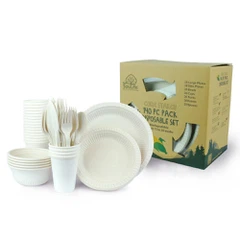
The market offers a wide range of disposable cutlery packs. You can find Disposable Bamboo Cutlery Set, Disposable Utensils Set, and Disposable Silverware Packets. Each type has its own unique features and is made from different materials.
Environmental Concerns Associated with Disposable Cutlery Packs
One of the most significant environmental issues related to disposable cutlery packs is the problem of waste. A large portion of these products are made from non - biodegradable materials such as plastic. Plastic cutlery can take hundreds of years to decompose in landfills. When discarded improperly, it often ends up in the ocean, posing a serious threat to marine life. Animals may mistake plastic cutlery for food, which can lead to ingestion, internal injuries, and even death.
In addition to the waste problem, the production of disposable cutlery packs also has a significant environmental footprint. The extraction of raw materials, especially for plastic products, consumes a large amount of energy and resources. The manufacturing process often involves the use of chemicals and generates greenhouse gas emissions, contributing to climate change.
Environmentally Friendly Alternatives in Disposable Cutlery Packs
However, not all disposable cutlery packs are created equal. There are several environmentally friendly alternatives available in the market.
Bamboo Cutlery
Bamboo is a rapidly renewable resource. It grows quickly and requires little water and no pesticides to thrive. Disposable Bamboo Cutlery Set is a popular choice for those looking for an eco - friendly option. Bamboo cutlery is biodegradable, which means it can break down naturally in the environment over time, reducing the amount of waste in landfills. It also has a relatively low carbon footprint compared to plastic cutlery.
Paper - Based Cutlery
Paper - based cutlery is another sustainable alternative. Made from recycled paper or other plant - based materials, it is biodegradable and can be composted. Although paper cutlery may not be as durable as plastic or metal, it is a good option for short - term use, especially for light meals.


Biodegradable Plastics
Some disposable cutlery packs are made from biodegradable plastics. These plastics are designed to break down more quickly than traditional plastics under certain conditions. However, it's important to note that the term "biodegradable" can be misleading. Some so - called biodegradable plastics still require specific industrial composting facilities to break down properly. If disposed of in regular landfills, they may not degrade as expected.
The Role of Consumers and Businesses
Consumers play a crucial role in determining the environmental impact of disposable cutlery packs. By choosing environmentally friendly options, they can drive demand for sustainable products. For example, when ordering takeout, consumers can request bamboo or paper - based cutlery instead of plastic. They can also bring their own reusable cutlery to reduce the need for disposable items.
Businesses, on the other hand, have a responsibility to offer more sustainable choices. Restaurants and food service providers can switch to using environmentally friendly disposable cutlery packs. They can also educate their customers about the environmental benefits of these alternatives. For large - scale events, event organizers can opt for compostable or biodegradable cutlery to minimize the event's environmental footprint.
My Perspective as a Disposable Cutlery Pack Supplier
As a supplier of disposable cutlery packs, I understand the importance of balancing convenience and environmental responsibility. I am committed to providing a wide range of options, including environmentally friendly ones, to meet the diverse needs of my customers.
We are constantly researching and sourcing new materials and technologies to improve the environmental performance of our products. For example, we are exploring ways to increase the use of bamboo and other renewable resources in our production process. We also work closely with our customers to educate them about the different types of disposable cutlery packs and their environmental impact.
Conclusion
So, are disposable cutlery packs environmentally friendly? The answer is not a simple yes or no. While traditional plastic disposable cutlery packs pose significant environmental challenges, there are many eco - friendly alternatives available. Bamboo cutlery, paper - based cutlery, and biodegradable plastics offer more sustainable options for both consumers and businesses.
As a supplier, I believe that by working together with consumers and businesses, we can make a positive impact on the environment. We can reduce waste, conserve resources, and protect our planet for future generations.
If you are interested in learning more about our Disposable Bamboo Cutlery Set, Disposable Utensils Set, or Disposable Silverware Packets, or if you have any questions about our environmentally friendly products, please feel free to reach out. We are always ready to have a discussion about your specific needs and how we can provide the best solutions for your business.
References
- EPA. (2023). Waste Management Hierarchy. Retrieved from [EPA official website].
- United Nations Environment Programme. (2023). Marine Plastic Pollution. Retrieved from [UNEP official website].
- World Wildlife Fund. (2023). Renewable Resources. Retrieved from [WWF official website].
Send Inquiry