


Are disposable utensil packs prone to cracking?
Jun 02, 2025
Leave a message
Hey there! As a supplier of Disposable Utensil Packs, I've heard a lot of questions from customers over the years. One of the most common ones is, "Are disposable utensil packs prone to cracking?" Well, let's dive right into this topic and find out.
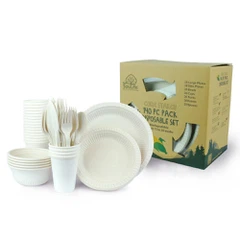
First off, let's talk about the different types of disposable utensil packs we offer. We've got Wrapped Forks with Napkin, which are super convenient for on - the - go meals. These come neatly wrapped with a napkin, making them perfect for picnics, takeout, or any situation where you need a quick and clean eating solution. Then there are our Disposable Wooden Cutlery Set, which gives a more natural and eco - friendly feel. And of course, our Disposable Silverware Packets, which are made of high - quality plastic and look almost as good as real silverware.
Now, back to the question of cracking. The likelihood of a disposable utensil pack cracking depends on several factors.
Material Matters
The material used in making the utensils is a huge factor. For example, our wooden cutlery is made from natural wood. Wood is a strong and durable material, but it's also porous. If it gets wet for an extended period, it can start to warp and might even crack. However, if you use it under normal, dry conditions, the chances of cracking are pretty low. We source our wood from sustainable forests and treat it to enhance its durability. But still, like any natural material, it has its limits.
On the other hand, our plastic disposable silverware packets are made from high - grade plastic. This plastic is designed to be tough and flexible. It can withstand a fair amount of pressure without cracking. But if you try to use a plastic fork to cut through something really hard, like a thick steak, you might be pushing it too far. The plastic can reach its breaking point and crack. It's important to use the utensils for their intended purposes.


Manufacturing Process
The way the utensils are manufactured also plays a role. We have a strict quality control process in place. Every batch of utensils goes through multiple inspections to make sure they meet our high standards. But sometimes, there can be tiny flaws in the manufacturing process that can lead to weak spots in the utensils. These weak spots are more likely to crack under normal use.
For instance, if there's an air bubble trapped in the plastic during the molding process, that area will be weaker. Or if the wood isn't cut evenly, it can create stress points that might cause cracking. We do our best to catch these issues early on, but in a large - scale production, it's almost impossible to catch every single flaw.
Storage and Handling
How you store and handle the disposable utensil packs can also affect their likelihood of cracking. If you store them in a very hot or humid environment, it can weaken the materials. Plastic can become brittle in extreme heat, and wood can absorb moisture and become more prone to cracking.
When it comes to handling, rough handling can definitely increase the chances of cracking. Throwing the packs around, dropping them from a height, or squeezing them too hard can all cause damage. We recommend storing the packs in a cool, dry place and handling them gently.
Comparing with Reusable Utensils
You might be wondering how disposable utensil packs compare to reusable utensils in terms of cracking. Reusable utensils, like metal forks and spoons, are generally much less likely to crack. They're made of strong materials and can withstand a lot of wear and tear. But they also require more maintenance, like washing and drying properly.
Disposable utensil packs, on the other hand, are designed for convenience. They're great for one - time use, especially in situations where washing reusable utensils isn't practical. While they might be more prone to cracking in some cases, they offer a level of convenience that reusable utensils can't match.
Real - World Experiences
I've talked to many of our customers over the years, and most of them have had positive experiences with our disposable utensil packs. They love the convenience and the fact that they don't have to worry about washing up. However, a small percentage of customers have reported issues with cracking.
One customer told me that they used our plastic forks to open a package, and of course, the fork cracked. That's a clear case of using the utensil for something it wasn't intended for. Another customer said they stored the wooden cutlery in a damp basement, and some of the pieces started to crack after a while. These are examples of how improper use and storage can lead to cracking.
Tips to Reduce Cracking
Here are some tips to reduce the chances of your disposable utensil packs cracking:
- Use the utensils for their intended purposes. Don't try to use a fork as a screwdriver or a knife to cut through something too tough.
- Store the packs in a cool, dry place. Avoid storing them in direct sunlight or in a humid environment.
- Handle the packs gently. Don't throw them around or squeeze them too hard.
Conclusion
So, are disposable utensil packs prone to cracking? The answer is that it depends. If you use them properly, store them correctly, and they're made of good - quality materials, the chances of cracking are relatively low. But there are always factors like material limitations, manufacturing flaws, and improper handling that can increase the likelihood of cracking.
If you're in the market for high - quality disposable utensil packs, we're here to help. We offer a wide range of options to suit your needs. Whether you're a restaurant owner looking for disposable silverware packets for your takeout orders or an individual planning a picnic, we've got you covered.
If you're interested in purchasing our disposable utensil packs, we'd love to have a chat with you. We can discuss your specific needs, answer any questions you might have, and provide you with a competitive quote. Contact us today to start the conversation!
References
- General knowledge of disposable utensil manufacturing and materials.
- Customer feedback and experiences over the years.
Send Inquiry