


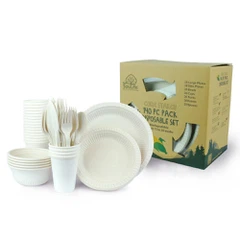
Can PLA spoons be used in fast - food joints?
Jun 19, 2025
Leave a message
In recent years, the global push towards environmental sustainability has led to a significant shift in consumer preferences and business practices. One area that has seen a notable transformation is the food service industry, particularly fast-food joints. These establishments, known for their high volume of single-use cutlery, are increasingly looking for eco-friendly alternatives to traditional plastic utensils. As a supplier of PLA (Polylactic Acid) spoons, I am often asked whether these spoons can be effectively used in fast-food joints. In this blog post, I will explore the feasibility, benefits, and challenges of using PLA spoons in fast-food settings.
Understanding PLA Spoons
PLA spoons are made from polylactic acid, a biodegradable and compostable thermoplastic derived from renewable resources such as corn starch or sugarcane. Unlike traditional plastic spoons, which are made from petroleum-based polymers and can take hundreds of years to decompose, PLA spoons break down much faster under the right conditions. This makes them an attractive option for businesses looking to reduce their environmental impact.
The Feasibility of Using PLA Spoons in Fast-Food Joints
From a practical standpoint, PLA spoons are well-suited for use in fast-food joints. They have a similar look and feel to traditional plastic spoons, which means that customers are likely to find them familiar and easy to use. Additionally, PLA spoons are available in a variety of sizes and shapes, making them suitable for different types of fast-food items, such as ice cream, soups, and yogurt.
In terms of performance, PLA spoons are generally strong enough to handle the rigors of fast-food service. They can withstand normal use without breaking or bending, and they are heat-resistant enough to be used with hot foods and beverages. However, it is important to note that PLA spoons may not be as durable as traditional plastic spoons in extreme conditions, such as very high temperatures or heavy pressure.
Benefits of Using PLA Spoons in Fast-Food Joints
There are several benefits to using PLA spoons in fast-food joints, both for the environment and for the business itself.
Environmental Benefits
One of the primary advantages of PLA spoons is their environmental friendliness. As mentioned earlier, they are made from renewable resources and are biodegradable and compostable. This means that they have a much lower carbon footprint than traditional plastic spoons, and they can help to reduce the amount of plastic waste that ends up in landfills and oceans.
By using PLA spoons, fast-food joints can demonstrate their commitment to sustainability and appeal to environmentally conscious consumers. This can help to enhance the brand image of the business and differentiate it from competitors.
Cost Benefits
Contrary to popular belief, using PLA spoons may not necessarily be more expensive than using traditional plastic spoons. While the initial cost of PLA spoons may be slightly higher, the long-term savings can be significant. For example, many municipalities offer incentives or subsidies for businesses that use eco-friendly products, such as tax breaks or reduced waste disposal fees. Additionally, using PLA spoons can help to reduce the negative publicity and potential legal liability associated with plastic pollution.
Health Benefits
PLA spoons are also a healthier option than traditional plastic spoons. Unlike some types of plastic, PLA does not contain harmful chemicals such as bisphenol A (BPA) or phthalates, which have been linked to a variety of health problems. This means that customers can enjoy their fast food with peace of mind, knowing that they are not being exposed to potentially harmful substances.
Challenges of Using PLA Spoons in Fast-Food Joints
While there are many benefits to using PLA spoons in fast-food joints, there are also some challenges that need to be addressed.
Availability and Supply Chain
One of the main challenges is the availability of PLA spoons. While the demand for eco-friendly products is increasing, the supply of PLA spoons may still be limited in some areas. This can make it difficult for fast-food joints to source a consistent supply of high-quality PLA spoons at a reasonable price.


To overcome this challenge, it is important for fast-food joints to work with reliable suppliers who can provide a steady supply of PLA spoons. As a PLA spoon supplier, I understand the importance of maintaining a reliable supply chain, and I am committed to working closely with my customers to ensure that they have access to the products they need.
Composting Infrastructure
Another challenge is the lack of composting infrastructure in many areas. In order for PLA spoons to be truly environmentally friendly, they need to be composted in a commercial composting facility. However, not all municipalities have the necessary infrastructure to support large-scale composting, which means that PLA spoons may end up in landfills instead.
To address this issue, fast-food joints can work with local composting facilities to develop a composting program. This can involve collecting used PLA spoons and other compostable materials from the restaurant and transporting them to a composting facility for processing. By working together, fast-food joints and composting facilities can help to create a more sustainable waste management system.
Consumer Awareness
Finally, there is a need to increase consumer awareness about the benefits of using PLA spoons. Many consumers may not be familiar with PLA or may not understand the difference between PLA spoons and traditional plastic spoons. This can make it difficult for fast-food joints to convince customers to switch to PLA spoons.
To address this issue, fast-food joints can educate their customers about the environmental and health benefits of using PLA spoons. This can involve providing information on the restaurant's website, social media channels, and in-store signage. By raising awareness about the importance of using eco-friendly products, fast-food joints can encourage customers to make more sustainable choices.
Conclusion
In conclusion, PLA spoons can be a viable option for fast-food joints. They offer several benefits, including environmental friendliness, cost savings, and health benefits. However, there are also some challenges that need to be addressed, such as availability, composting infrastructure, and consumer awareness.
As a PLA spoon supplier, I am confident that with the right approach, these challenges can be overcome. By working together, fast-food joints, suppliers, and composting facilities can create a more sustainable future for the food service industry.
If you are a fast-food joint owner or manager interested in learning more about using PLA spoons in your establishment, I encourage you to contact me for a consultation. I would be happy to discuss your specific needs and provide you with more information about our products and services.
References
- European Bioplastics. (2023). The Facts about Bioplastics. Retrieved from European Bioplastics website
- United States Environmental Protection Agency. (2023). Composting Basics. Retrieved from EPA website
- World Wildlife Fund. (2023). Plastic Pollution. Retrieved from WWF website
In addition, you can explore our range of Eco Friendly Disposable Cutlery, Individually Wrapped Compostable Cutlery, and Eco Friendly Forks for more sustainable options for your fast-food joint.
Send Inquiry