


Do compostable plastic forks have a long - term environmental benefit?
Oct 27, 2025
Leave a message
Hey there! I'm a supplier of Compostable Plastic Forks, and today I wanna dig into the question: Do compostable plastic forks have a long - term environmental benefit?
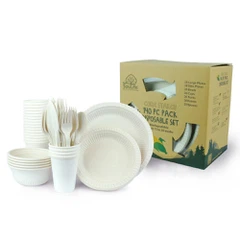
First off, let's understand what compostable plastic forks are. These forks are made from materials that can break down into natural elements under specific composting conditions. Unlike traditional plastic forks, which can take hundreds of years to decompose and often end up polluting our oceans, rivers, and landfills, compostable plastic forks offer a more sustainable alternative.


One of the main materials used in making compostable plastic forks is polylactic acid (PLA). PLA is derived from renewable resources like corn starch or sugarcane. When these forks are disposed of in a commercial composting facility, they can break down within a few months. This is a huge contrast to regular plastic forks, which stick around in the environment for ages.
Now, let's talk about the long - term environmental benefits. For starters, using compostable plastic forks helps reduce the demand for petroleum - based plastics. Petroleum is a non - renewable resource, and extracting and processing it has a significant environmental impact. By choosing compostable options, we're taking a step towards conserving these precious resources.
Another major benefit is the reduction of plastic pollution. Every year, millions of tons of plastic waste enter our environment. Plastic forks are a small but significant part of this problem. They can be found in beaches, forests, and even in the stomachs of marine animals. Compostable plastic forks, on the other hand, won't linger in the environment. Once they break down, they turn into organic matter that can enrich the soil.
Composting also plays a crucial role in the carbon cycle. When compostable plastic forks decompose, they release carbon dioxide, but this carbon dioxide is part of the natural carbon cycle. The plants used to make PLA absorb carbon dioxide during their growth, so the net carbon emissions are relatively low compared to traditional plastics. This helps in reducing the overall carbon footprint associated with cutlery use.
However, it's not all sunshine and rainbows. There are some challenges when it comes to the widespread adoption of compostable plastic forks. One of the biggest issues is the lack of proper composting infrastructure. In many areas, there aren't enough commercial composting facilities to handle all the compostable waste. As a result, these forks might end up in landfills, where they won't break down as efficiently due to the lack of oxygen and proper conditions.
Another concern is consumer awareness. Many people still don't understand the difference between compostable and regular plastic. They might not know how to properly dispose of compostable plastic forks, which could lead to them being mixed with regular waste. This not only reduces the effectiveness of composting but also makes it harder to separate and process the waste.
Despite these challenges, the long - term environmental benefits are too significant to ignore. As a supplier of Compostable Plastic Forks, I've seen the growing interest in sustainable products. More and more restaurants, cafes, and event organizers are looking for eco - friendly alternatives to traditional plastic cutlery.
If you're in the market for high - quality compostable cutlery, check out our Disposable Compostable Cutlery. We offer a wide range of products, including Eco Friendly Forks and PLA Spoon. Our products are not only good for the environment but also meet high - quality standards.
We're committed to promoting sustainable living and helping our customers make environmentally responsible choices. Whether you're a small business or a large corporation, we can work with you to find the right compostable cutlery solutions for your needs.
So, if you're interested in learning more about our products or want to start a procurement discussion, don't hesitate to reach out. We're here to answer all your questions and help you make the switch to a more sustainable future.
In conclusion, while there are some hurdles to overcome, compostable plastic forks have a clear long - term environmental benefit. They offer a way to reduce plastic pollution, conserve non - renewable resources, and lower our carbon footprint. As more people become aware of these benefits and as the composting infrastructure improves, we can expect to see a greater adoption of these eco - friendly alternatives.
References
- "The Environmental Impact of Bioplastics" - Journal of Environmental Science and Technology
- "Composting of Biodegradable Plastics: A Review" - Waste Management Journal
- "Sustainable Alternatives to Single - Use Plastics" - World Wildlife Fund Report
Send Inquiry