


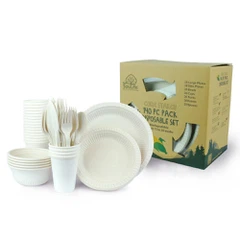
Do disposable cutlery kits stain easily?
Dec 16, 2025
Leave a message
Do disposable cutlery kits stain easily?
As a supplier of disposable cutlery kits, I've encountered numerous inquiries from customers regarding the staining susceptibility of these products. It's a valid concern, especially for those who prioritize the aesthetic appeal and functionality of their dining experiences, whether it's for a small gathering at home or a large - scale event. In this blog, I'll delve into the factors that influence the staining of disposable cutlery kits and offer some insights based on scientific knowledge and practical experience.
Material Composition and Staining
The material of the disposable cutlery kit plays a crucial role in determining its staining propensity. There are several common materials used in the production of disposable cutlery, each with its own characteristics.
Plastic Cutlery
Plastic is one of the most widely used materials for disposable cutlery. It is lightweight, inexpensive, and comes in various shapes and colors. However, plastic can be prone to staining, especially if it is made from low - quality polymers. The molecular structure of some plastics contains pores or small spaces where food pigments can become trapped. For example, dark - colored sauces like tomato sauce, soy sauce, or red wine can leave stubborn stains on plastic cutlery.
The type of plastic also matters. Polypropylene (PP) is a common plastic used in disposable cutlery. It has relatively good chemical resistance compared to some other plastics. But if it is exposed to highly acidic or alkaline foods for an extended period, the surface of the PP cutlery may start to break down slightly, making it more susceptible to staining. On the other hand, polystyrene (PS) cutlery is generally more brittle and can absorb stains more easily, especially when it comes into contact with oily or greasy foods.
Biodegradable and Compostable Cutlery
Compostable cutlery kits, such as those made from materials like bamboo, sugarcane bagasse, or cornstarch, are becoming increasingly popular due to their environmental friendliness. These materials have different staining characteristics compared to plastic.
Bamboo cutlery is porous, which means it can absorb liquids and stains. However, the natural properties of bamboo also give it some resistance to certain types of stains. For example, bamboo has antibacterial properties, which can prevent the growth of bacteria that may contribute to discoloration. Sugarcane bagasse and cornstarch - based cutlery are often coated to improve their water - resistance and durability. The coating can act as a barrier against stains, but if the coating is damaged, the underlying material can be stained. You can explore our Compostable Cutlery Kits to see the different options available.
Surface Finish and Staining
The surface finish of the disposable cutlery also affects its staining ability. Smooth - surfaced cutlery is generally less likely to stain compared to cutlery with a rough or textured surface.
Smooth - Surfaced Cutlery
Cutlery with a smooth finish has fewer crevices and pores for food particles and pigments to get trapped in. For example, high - quality plastic cutlery with a polished surface is less likely to hold onto stains. The smooth surface allows liquids and food to slide off easily, reducing the chances of long - term contact and staining. Similarly, some compostable cutlery with a well - applied coating has a smooth surface that resists staining.
Rough or Textured Cutlery
Textured cutlery, such as those with engraved patterns or a matte finish, can be more difficult to clean and are more prone to staining. The grooves and indentations in the texture can collect food debris, which can then leave stains. Even if the cutlery is rinsed immediately after use, some food particles may remain in the textured areas, leading to discoloration over time. Our Wrapped Plastic Cutlery Set with Napkin comes in different surface finishes, and you can choose the one that suits your needs best.
Usage and Staining
How the disposable cutlery is used also impacts its staining.
Contact Time
The longer the cutlery is in contact with staining foods and beverages, the more likely it is to stain. For example, if you leave a fork in a plate of spaghetti with tomato sauce for an extended period, the sauce will have more time to penetrate the surface of the cutlery and cause a stain. It's advisable to use disposable cutlery promptly and remove it from contact with staining substances as soon as possible.
Temperature
Temperature can also play a role in staining. Hot foods and beverages can cause the material of the cutlery to expand slightly, making it more porous and more likely to absorb stains. For instance, if you use plastic cutlery to eat hot soup with a lot of spices, the heat can open up the pores in the plastic, allowing the spices to seep in and leave a stain.
Prevention and Cleaning of Stains
While some staining is inevitable, there are ways to prevent and clean stains on disposable cutlery.


Prevention
- Immediate Rinsing: After use, rinse the cutlery under running water as soon as possible. This can remove most of the food particles and pigments before they have a chance to set.
- Avoiding Prolonged Contact: Don't let the cutlery sit in staining substances for a long time. Use separate utensils for different types of foods, especially if one is highly pigmented.
Cleaning
- Warm Soapy Water: For light stains, soaking the cutlery in warm soapy water for a few minutes can often remove the stains. Gently scrub the cutlery with a soft brush or sponge.
- Vinegar Solution: For more stubborn stains, a solution of vinegar and water can be effective. Soak the cutlery in the solution for about 15 - 20 minutes, then rinse and dry.
Conclusion
In conclusion, whether disposable cutlery kits stain easily depends on several factors, including the material, surface finish, usage, and how they are maintained. Plastic cutlery can be prone to staining, especially low - quality ones, while compostable cutlery has its own unique staining characteristics. Smooth - surfaced cutlery is generally less likely to stain than textured ones. By understanding these factors, you can make an informed decision when choosing disposable cutlery for your events or daily use.
If you're interested in purchasing high - quality disposable cutlery kits, we offer a wide range of options, including Individual Wrapped Disposable Cutlery. We are always ready to discuss your specific needs and provide the best solutions for your requirements. Feel free to contact us to start the procurement negotiation process.
References
- "Plastics in Food Packaging: A Review of Their Properties, Use, and Safety." Journal of Food Science.
- "Biodegradable and Compostable Polymers for Food Packaging Applications." Polymer Reviews.
- "The Effects of Surface Finish on the Staining and Cleaning of Tableware." Journal of Applied Materials Science.
Send Inquiry