


How durable is plastic cutlery with napkin?
Dec 03, 2025
Leave a message
Plastic cutlery paired with napkins has become a staple in various settings, from casual picnics to large - scale catering events. As a supplier of Plastic Cutlery with Napkin, I often get questions about the durability of this product. In this blog, we'll delve into the factors that affect the durability of plastic cutlery with napkins and explore how it stands up in different scenarios.
Understanding the Components
To assess the durability of plastic cutlery with napkins, we first need to understand the two main components: the plastic cutlery and the napkin.
Plastic Cutlery
Plastic cutlery is typically made from different types of plastics, such as polypropylene (PP), polystyrene (PS), or polyethylene (PE). Each type of plastic has its own set of characteristics that influence durability.
Polypropylene is known for its high melting point and good impact resistance. It can withstand relatively high temperatures without deforming, making it suitable for hot food items. This plastic is also flexible to some extent, which allows it to bend slightly under pressure without breaking. For example, when cutting through a medium - sized steak in a picnic setting, polypropylene cutlery is likely to maintain its shape and perform the task effectively.
Polystyrene, on the other hand, is a more brittle plastic. It is lightweight and inexpensive, which makes it a popular choice for single - use cutlery. However, it is more prone to cracking or breaking when subjected to excessive force. If you try to use a polystyrene fork to cut through a particularly tough piece of meat, there's a higher chance that the tines of the fork might snap off.
Polyethylene is a softer plastic. It is often used in the production of disposable spoons and knives. While it may not be as strong as polypropylene in terms of cutting through tough materials, it is more resistant to tearing and can hold up well when used for scooping or spreading softer foods like mashed potatoes or butter.
Napkins
The napkins that come with plastic cutlery are usually made from paper. The durability of these napkins depends on factors such as the paper's weight, thickness, and the manufacturing process.
Heavier - weight papers are generally more durable. A thick, multi - ply napkin is less likely to tear when used to wipe hands or clean up spills. For instance, in a busy restaurant setting where customers are using the napkins to clean their hands after eating messy foods like fried chicken, a heavy - duty napkin will be able to withstand multiple wipes without falling apart.
The manufacturing process also plays a role. Napkins that are embossed or have a special finish may be more resistant to tearing. Embossing creates a pattern on the paper, which can add strength and prevent the napkin from easily ripping along the edges.
Durability in Different Usage Scenarios
Home Use
In a home environment, the durability requirements for plastic cutlery with napkins are relatively moderate. For a family dinner, plastic cutlery is mainly used for eating common foods like pasta, vegetables, and rice. Polypropylene cutlery is usually sufficient for these tasks. It can handle the normal cutting and scooping actions without any issues.
The napkins are used for wiping mouths and hands. A standard - weight paper napkin should be able to serve this purpose well. If there are young children at the table, the napkins may need to be a bit more durable as kids tend to be less gentle with them. However, overall, the plastic cutlery and napkins in a home setting are not subjected to extreme forces, so they can last through a single meal without significant problems.
Outdoor Events
Outdoor events such as picnics, barbecues, and festivals present different challenges for the durability of plastic cutlery with napkins. In a picnic, the cutlery may be used to cut through tougher foods like sandwiches with thick bread or to open packages. The cutlery needs to be strong enough to handle these tasks without breaking. Polypropylene cutlery is a great choice for outdoor events as it can withstand the rough handling that often occurs in an open - air environment.
Napkins at outdoor events may be exposed to dirt and moisture. They need to be able to absorb spills and clean hands even when they get a bit wet. A high - quality, thick napkin with good absorbency is essential. For example, if someone spills a drink on the picnic blanket, a durable napkin can quickly soak up the liquid without disintegrating.


Catering and Restaurant Use
In catering and restaurant settings, the durability requirements are much higher. Catering events often involve a large number of guests, and the cutlery needs to be able to handle a variety of foods, from delicate salads to hearty main courses. Individually wrapped plastic cutlery, like the ones in our Individually Wrapped Plastic Cutlery collection, is designed to be both hygienic and durable. The wrapping also protects the cutlery from damage before use.
Restaurants may serve hot and cold foods, and the cutlery needs to be able to withstand different temperatures. High - quality polypropylene cutlery can handle hot soups and cold ice - cream without deforming. Napkins in restaurants are used frequently and need to be strong enough to handle multiple wipes. A multi - ply, embossed napkin is ideal for this setting as it can maintain its integrity even after repeated use.
Factors Affecting Durability
Food Type
The type of food being served has a significant impact on the durability of plastic cutlery. As mentioned earlier, tough foods like steak or crusty bread require stronger cutlery. Soft foods like yogurt or soup place less stress on the cutlery, so a softer plastic may be sufficient.
The temperature of the food also matters. Hot foods can cause some plastics to deform. For example, if you use a low - quality plastic spoon to stir a very hot cup of coffee, the spoon may start to melt or lose its shape.
Handling and Storage
How the plastic cutlery with napkins is handled and stored can also affect their durability. Rough handling, such as throwing the cutlery into a drawer or crushing the napkins, can damage them before use. Improper storage, like leaving the cutlery in a hot and humid environment, can cause the plastic to become brittle over time.
Compostable Alternatives
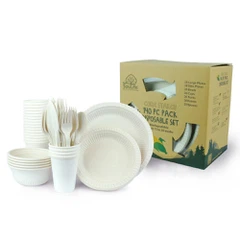
In recent years, there has been a growing demand for more environmentally friendly options. Compostable cutlery kits, such as our Compostable Cutlery Kits, offer a sustainable alternative to traditional plastic cutlery.
Compostable cutlery is usually made from materials like bamboo, sugarcane fiber, or cornstarch. These materials are biodegradable and can break down naturally in a composting environment. In terms of durability, compostable cutlery can be quite comparable to traditional plastic cutlery. Bamboo cutlery, for example, is strong and can handle most food - eating tasks. It is also heat - resistant to a certain extent, making it suitable for hot foods.
The compostable napkins that come with these kits are typically made from recycled or sustainably sourced paper. They are designed to be as durable as regular paper napkins while still being environmentally friendly.
Conclusion
The durability of plastic cutlery with napkins depends on various factors, including the type of plastic used in the cutlery, the quality of the napkin paper, the usage scenario, and the handling and storage conditions. As a supplier, we offer a range of options to meet different durability requirements. Whether you need cutlery for a casual home dinner, a large - scale catering event, or an environmentally conscious gathering, we have the right products for you.
If you are interested in purchasing our plastic cutlery with napkins or exploring our other product lines, we encourage you to reach out to us for a procurement discussion. We can provide you with detailed product information, pricing, and delivery options to ensure that you get the best solution for your needs.
References
- "Plastic Materials and Their Properties" by Polymers Institute
- "Paper Product Durability: A Comprehensive Guide" by the Paper Manufacturing Association
- "Sustainable Disposable Products: Compostable Alternatives" by the Environmental Research Center
Send Inquiry