


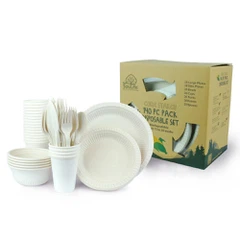
How is disposable plastic cutlery manufactured?
Jul 23, 2025
Leave a message
Disposable plastic cutlery has become a staple in many settings, from fast - food restaurants to outdoor events. As a supplier of disposable plastic cutlery, I am often asked about the manufacturing process. In this blog post, I'll take you through the journey of how disposable plastic cutlery is made.

Raw Material Selection
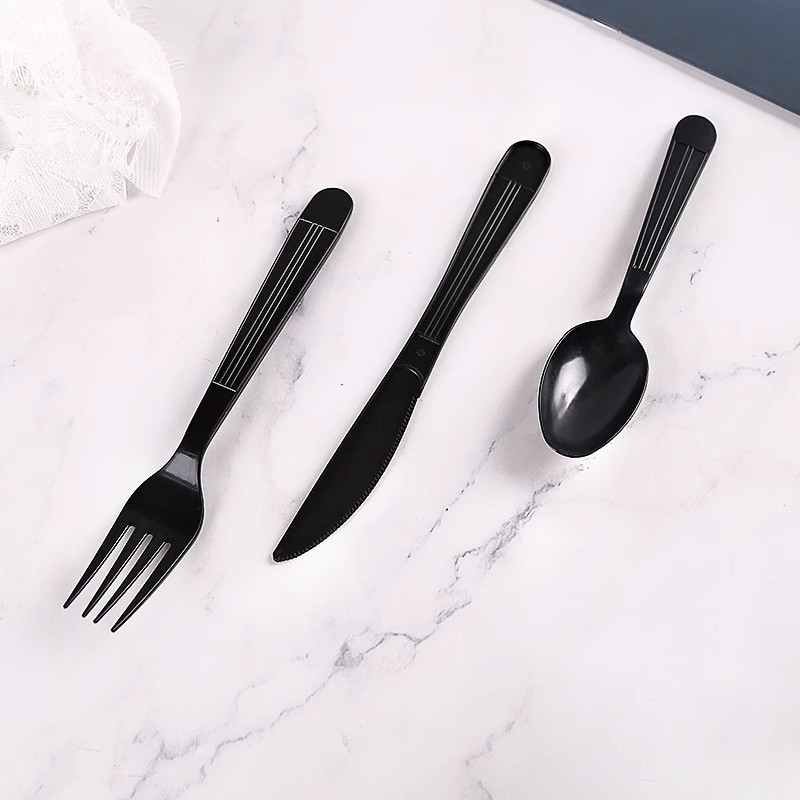
The first step in manufacturing disposable plastic cutlery is choosing the right raw materials. The most commonly used plastics for this purpose are polypropylene (PP) and polystyrene (PS). Polypropylene is favored for its durability, heat resistance, and flexibility. It can withstand a wide range of temperatures without deforming, making it suitable for both hot and cold food. Polystyrene, on the other hand, is lightweight and relatively inexpensive. It provides a good balance between cost - effectiveness and functionality.
These plastics are usually sourced in the form of small pellets. The quality of these pellets is crucial as it directly impacts the final product's quality. Suppliers need to ensure that the pellets meet strict industry standards in terms of purity, density, and melt flow index. For example, a higher melt flow index means the plastic can be more easily injected into molds during the manufacturing process.
Plastic Extrusion
Once the raw materials are selected, the next step is plastic extrusion. In this process, the plastic pellets are fed into an extruder. The extruder consists of a large heated barrel with a screw inside. As the screw rotates, it moves the plastic pellets forward through the barrel. The heat in the barrel melts the plastic pellets, turning them into a molten state.
The molten plastic is then forced through a die, which gives the plastic its initial shape. For disposable cutlery, the die is designed to create a long, continuous sheet of plastic with a uniform thickness. This sheet is then cooled rapidly using water or air to solidify it. The cooled plastic sheet is wound onto large rolls, which are ready for the next stage of production.
Thermoforming
Thermoforming is a critical step in the manufacturing of disposable plastic cutlery. The plastic sheet from the extrusion process is unwound and fed into a thermoforming machine. The machine heats the plastic sheet until it becomes soft and pliable.
A mold, which is shaped like the desired cutlery (such as a spoon, fork, or knife), is then pressed onto the heated plastic sheet. The pressure from the mold forces the plastic to conform to the shape of the mold. At the same time, a vacuum is applied to remove any air bubbles between the plastic and the mold, ensuring a precise and detailed shape.
After the plastic has cooled and solidified in the mold, the excess plastic around the cutlery is trimmed away. This excess plastic, known as scrap, can be recycled and used again in the manufacturing process, which is an important aspect of sustainable production.
Quality Control
Quality control is an integral part of the manufacturing process. Every batch of disposable plastic cutlery undergoes rigorous testing to ensure it meets the required standards. Visual inspections are carried out to check for any surface defects, such as cracks, scratches, or unevenness.
The cutlery is also tested for its strength and durability. For example, spoons are tested to see if they can hold a certain amount of weight without bending or breaking. Forks are checked to ensure that their tines are sharp enough to pierce food easily but not so sharp as to pose a safety hazard.
In addition to these physical tests, chemical tests are also conducted to ensure that the plastic does not contain any harmful substances. This is especially important as disposable cutlery comes into direct contact with food.
Packaging
Once the cutlery has passed all the quality control tests, it is ready for packaging. There are various packaging options available for disposable plastic cutlery. Some cutlery is wrapped individually in plastic film to keep it clean and hygienic. This is common for Wrapped Plastic Silverware, which is often used in restaurants or catering services.
Other cutlery may be packaged in bulk, such as in boxes or bags. For example, Heavy Duty Plastic Spoons are sometimes sold in large quantities for use in cafeterias or large - scale events. Forks can also be packaged in different ways, like Forks Wrapped in Plastic, which provides an extra layer of protection.
The packaging process is automated in most modern manufacturing facilities. Machines are used to place the cutlery into the appropriate packaging materials, seal the packages, and label them with relevant information such as the product name, quantity, and manufacturing date.
Environmental Considerations
As a supplier of disposable plastic cutlery, we are also aware of the environmental impact of our products. While plastic cutlery offers convenience, it also contributes to plastic waste. To address this issue, we are constantly exploring ways to make our manufacturing process more sustainable.
One approach is to use biodegradable or compostable plastics. These plastics are designed to break down naturally over time, reducing the amount of plastic waste in landfills. Another strategy is to increase the recycling rate of the plastic scrap generated during the manufacturing process. By reusing this scrap, we can reduce the demand for new raw materials and minimize our environmental footprint.
Conclusion
The manufacturing of disposable plastic cutlery is a complex process that involves multiple steps, from raw material selection to packaging. Each step is carefully controlled to ensure the production of high - quality, safe, and functional cutlery.
If you are in the market for disposable plastic cutlery, whether it's for a restaurant, event, or other business needs, we are here to provide you with the best products. Our wide range of disposable plastic cutlery is designed to meet different requirements and budgets. We are committed to quality, sustainability, and customer satisfaction. If you have any questions or would like to discuss a potential purchase, please feel free to reach out. We look forward to the opportunity to work with you and supply you with the finest disposable plastic cutlery.
References
- "Plastics Technology Handbook" by Myers, Charles L.
- "Thermoforming Handbook" by Throne, James L.
- Industry reports on disposable plastic cutlery manufacturing from various trade associations.
Send Inquiry