


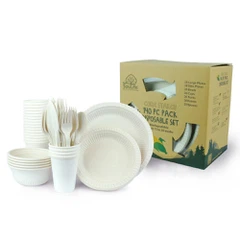
How to store plastic forks wrapped properly?
Sep 29, 2025
Leave a message
Hey there! As a supplier of Plastic Forks Wrapped, I've seen firsthand the importance of proper storage for these handy little utensils. In this blog, I'm gonna share some tips on how to store plastic forks wrapped properly, so they stay in great condition until they're ready to be used.


Why Proper Storage Matters
First off, let's talk about why storing your wrapped plastic forks correctly is a big deal. Plastic forks are made from polymers, and if they're exposed to the wrong conditions, they can start to degrade. This can lead to things like warping, cracking, or even a change in the texture of the plastic. And let's face it, no one wants to use a fork that looks or feels off.
Proper storage also helps to keep your forks clean and hygienic. Since they're wrapped, you want to make sure that the wrapping stays intact and free from any dirt, dust, or moisture. If the wrapping gets damaged or contaminated, it can compromise the cleanliness of the fork inside.
Ideal Storage Conditions
So, what are the ideal conditions for storing wrapped plastic forks? Well, temperature and humidity are two key factors. You want to keep your forks in a cool, dry place. A temperature range of around 60°F to 75°F (15°C to 24°C) is generally ideal. Avoid storing them in areas that get too hot, like near a furnace or in direct sunlight, as this can cause the plastic to soften and warp.
Humidity is also important. High humidity can lead to moisture buildup, which can damage the plastic and the wrapping. Aim for a relative humidity level of around 40% to 60%. If you live in a particularly humid area, you might want to consider using a dehumidifier in the storage space.
Choosing the Right Storage Containers
When it comes to storing your wrapped plastic forks, the container you choose matters. You want something that will protect the forks from damage and keep them organized. Here are a few options:
- Cardboard Boxes: Cardboard boxes are a popular choice for storing wrapped plastic forks. They're inexpensive, lightweight, and easy to stack. Just make sure the boxes are sturdy and have a tight-fitting lid to keep out dust and moisture.
- Plastic Bins: Plastic bins are another great option. They're durable, waterproof, and come in a variety of sizes. Look for bins with a snap-on lid to keep the forks secure.
- Shelving Units: If you have a lot of wrapped plastic forks to store, a shelving unit can be a good solution. You can organize the forks by size, style, or quantity on the shelves. Just make sure the shelves are sturdy and level to prevent the boxes or bins from tipping over.
Organizing Your Storage Space
Once you've chosen the right storage containers, it's time to organize your storage space. Here are some tips to help you keep things tidy:
- Label Your Containers: Labeling your containers makes it easy to find the forks you need. You can use a permanent marker or label maker to write the type of forks, quantity, and any other relevant information on the containers.
- Group Similar Items Together: Grouping similar items together makes it easier to see what you have and find what you need. For example, you can group all the wrapped plastic forks by size or style.
- Keep a Stock Inventory: Keeping a stock inventory helps you keep track of how many forks you have and when you need to reorder. You can use a spreadsheet or a pen and paper to keep track of your inventory.
Handling and Moving Wrapped Plastic Forks
When it comes to handling and moving your wrapped plastic forks, there are a few things to keep in mind. First, always handle the forks with clean hands to avoid contaminating the wrapping. Second, be careful when stacking or moving the storage containers to avoid damaging the forks or the wrapping.
If you need to move the forks to a different location, make sure to use a sturdy cart or dolly to transport the containers. Avoid dropping or jostling the containers, as this can cause the forks to shift and potentially damage the wrapping.
Common Storage Mistakes to Avoid
Now that you know how to store wrapped plastic forks properly, let's talk about some common storage mistakes to avoid. Here are a few things to watch out for:
- Storing in a Damp Area: As I mentioned earlier, high humidity can damage the plastic and the wrapping. Avoid storing your forks in areas that are prone to moisture, like basements or bathrooms.
- Exposing to Direct Sunlight: Direct sunlight can cause the plastic to soften and warp. Make sure to store your forks in a shaded area or use curtains or blinds to block out the sun.
- Overcrowding the Storage Space: Overcrowding the storage space can make it difficult to access the forks and can also cause damage to the containers and the forks. Make sure to leave enough space between the containers to allow for easy movement.
Conclusion
Storing wrapped plastic forks properly is essential to keep them in great condition and ensure they're ready to use when you need them. By following the tips in this blog, you can create an ideal storage environment for your forks and avoid common storage mistakes.
If you're in the market for high-quality Wrapped Plastic Silverware or Heavy Duty Plastic Spoons, I'd love to hear from you. We offer a wide range of disposable plastic cutlery products at competitive prices. Whether you're a restaurant owner, event planner, or just looking for some convenient utensils for your home, we've got you covered.
Don't hesitate to reach out to us to discuss your needs and get a quote. We're here to help you find the perfect plastic cutlery solutions for your business or personal use.
References
- "Plastic Packaging and Storage: Best Practices." Packaging World.
- "Temperature and Humidity Control for Storage." Environmental Protection Agency.
Send Inquiry