


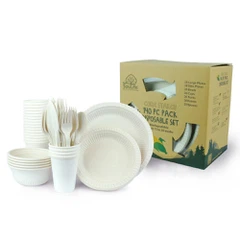
Is takeaway cutlery safe for food contact?
Nov 25, 2025
Leave a message
Is takeaway cutlery safe for food contact? This is a question that has been on the minds of many consumers and food businesses alike. As a takeaway cutlery supplier, I understand the importance of ensuring that the products we offer are not only convenient but also safe for use with food. In this blog post, I will delve into the various aspects of takeaway cutlery safety, exploring the materials used, manufacturing processes, and regulatory standards.
Materials Used in Takeaway Cutlery
Takeaway cutlery is typically made from a variety of materials, each with its own set of properties and safety considerations. The most common materials include plastic, paper, bamboo, and metal.
Plastic Cutlery
Plastic cutlery is perhaps the most widely used type of takeaway cutlery due to its low cost, lightweight, and durability. However, concerns have been raised about the safety of certain types of plastics, particularly those containing bisphenol A (BPA) and phthalates. BPA is a chemical that has been linked to a range of health issues, including hormonal disruptions, fertility problems, and certain types of cancer. Phthalates are another group of chemicals that are used to make plastics more flexible and are also associated with potential health risks.


To address these concerns, many manufacturers have started producing BPA-free and phthalate-free plastic cutlery. These products are typically made from high-quality plastics such as polypropylene (PP) or polystyrene (PS), which are considered safe for food contact. Additionally, some plastic cutlery is now made from biodegradable or compostable materials, such as polylactic acid (PLA), which is derived from renewable resources such as corn starch or sugarcane.
Paper Cutlery
Paper cutlery is an eco-friendly alternative to plastic cutlery and is becoming increasingly popular among consumers who are concerned about the environmental impact of single-use plastics. Paper cutlery is typically made from recycled paper or cardboard and is coated with a food-safe wax or polymer to make it waterproof and durable. While paper cutlery is generally considered safe for food contact, it may not be as sturdy as plastic or metal cutlery and may not be suitable for all types of food.
Bamboo Cutlery
Bamboo cutlery is another sustainable option that is gaining popularity in the takeaway industry. Bamboo is a fast-growing and renewable resource that is naturally biodegradable and compostable. Bamboo cutlery is typically made from solid bamboo or bamboo veneer and is often treated with a food-safe finish to make it more durable and resistant to moisture. Bamboo cutlery is generally considered safe for food contact and is a great alternative to plastic or metal cutlery.
Metal Cutlery
Metal cutlery is the most traditional type of cutlery and is often used in high-end restaurants and catering services. Metal cutlery is typically made from stainless steel, which is a durable and corrosion-resistant material that is safe for food contact. While metal cutlery is more expensive than plastic or paper cutlery, it is also more reusable and can be washed and sanitized for multiple uses.
Manufacturing Processes
In addition to the materials used, the manufacturing processes used to produce takeaway cutlery also play a crucial role in ensuring its safety. Reputable manufacturers follow strict quality control measures to ensure that their products meet the highest standards of safety and hygiene.
Injection Molding
Injection molding is the most common manufacturing process used to produce plastic cutlery. In this process, plastic pellets are melted and injected into a mold cavity under high pressure. The plastic then cools and solidifies, taking the shape of the mold. Injection molding allows for precise control over the shape and size of the cutlery and ensures that each piece is consistent in quality.
Extrusion
Extrusion is another manufacturing process that is used to produce plastic cutlery. In this process, plastic pellets are melted and forced through a die to create a continuous profile. The profile is then cut into individual pieces of cutlery. Extrusion is a less precise manufacturing process than injection molding but is often used to produce larger quantities of cutlery at a lower cost.
Cutting and Assembly
Paper and bamboo cutlery are typically manufactured using cutting and assembly processes. In this process, the paper or bamboo material is cut into the desired shape and then assembled using glue or other fasteners. The cutlery is then coated with a food-safe finish to make it waterproof and durable.
Regulatory Standards
To ensure the safety of takeaway cutlery, there are a number of regulatory standards and guidelines that manufacturers must comply with. These standards vary depending on the country or region where the cutlery is being sold but generally cover issues such as material safety, labeling, and hygiene.
Food Contact Materials Regulations
In the United States, the Food and Drug Administration (FDA) regulates the safety of food contact materials, including takeaway cutlery. The FDA has established a list of approved materials and substances that can be used in food contact applications and has set limits on the amount of certain chemicals that can migrate from the material into the food.
In the European Union, the European Food Safety Authority (EFSA) is responsible for assessing the safety of food contact materials. The EFSA has established a framework for the safety assessment of food contact materials and has set limits on the migration of certain chemicals from the material into the food.
Labeling Requirements
In addition to material safety, takeaway cutlery must also be labeled correctly to provide consumers with information about the product. Labeling requirements vary depending on the country or region where the cutlery is being sold but generally include information such as the material used, the manufacturer's name and address, and any relevant safety warnings or instructions.
Hygiene Standards
Takeaway cutlery must also meet certain hygiene standards to ensure that it is safe for use with food. This includes requirements for cleaning and sanitizing the cutlery before it is used and for storing the cutlery in a clean and dry environment.
Our Commitment to Safety
As a takeaway cutlery supplier, we are committed to providing our customers with high-quality, safe, and sustainable products. We work closely with our manufacturers to ensure that our products meet the highest standards of safety and hygiene and comply with all relevant regulatory requirements.
We offer a wide range of takeaway cutlery options, including Black Disposable Silverware, Individually Wrapped Utensils, and Eco Friendly Forks. Our products are made from high-quality materials and are designed to be durable, convenient, and safe for use with food.
In addition to our commitment to safety, we are also committed to sustainability. We offer a range of eco-friendly takeaway cutlery options, including biodegradable and compostable products, to help reduce the environmental impact of single-use plastics.
Conclusion
In conclusion, takeaway cutlery can be safe for food contact as long as it is made from high-quality materials, manufactured using proper processes, and complies with all relevant regulatory standards. As a takeaway cutlery supplier, we are committed to providing our customers with safe, sustainable, and convenient products. If you are interested in learning more about our takeaway cutlery options or would like to discuss your specific needs, please contact us to start a procurement discussion. We look forward to working with you!
References
- Food and Drug Administration (FDA). (n.d.). Food Contact Substances Notification Program. Retrieved from [FDA Website]
- European Food Safety Authority (EFSA). (n.d.). Food Contact Materials. Retrieved from [EFSA Website]
- World Health Organization (WHO). (2019). Chemicals in Food: Contaminants and Toxins. Retrieved from [WHO Website]
Send Inquiry