


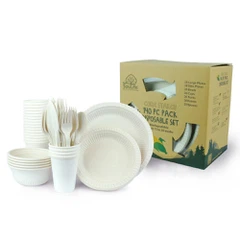
What are the disadvantages of disposable wooden cutlery?
Jul 25, 2025
Leave a message
As a supplier of disposable wooden cutlery, I'm well - aware that our products have their share of fans due to their perceived natural and eco - friendly qualities. However, it's important to take a balanced view and acknowledge the disadvantages that come with using disposable wooden cutlery. In this blog, I'll explore some of the key drawbacks that consumers and businesses should consider.
1. Environmental Impact
Deforestation
One of the most significant disadvantages of disposable wooden cutlery is its contribution to deforestation. The demand for these products has led to large - scale logging in some regions. Trees are cut down to meet the market needs, which disrupts natural ecosystems. Forests are home to countless species of plants and animals, and deforestation can lead to the loss of biodiversity. According to the Food and Agriculture Organization (FAO), approximately 10 million hectares of forest are lost each year, and the production of disposable wooden items can be a contributing factor in some areas [1].
Carbon Footprint
Wooden cutlery also has a carbon footprint associated with its production. The process of cutting down trees, transporting the logs to the processing facilities, and manufacturing the cutlery all require energy. This energy is often derived from non - renewable sources, such as fossil fuels. Moreover, when trees are cut down, they can no longer absorb carbon dioxide from the atmosphere. Carbon dioxide is a major greenhouse gas that contributes to climate change. A study published in the Journal of Cleaner Production found that the carbon emissions associated with the production of disposable wooden products can be relatively high compared to some alternative materials [2].
While it's true that wood is a renewable resource, the rate of consumption for disposable wooden cutlery may outpace the rate of reforestation in some cases. This means that in the long run, the environmental cost of using these products can be quite high.
2. Hygiene Concerns
Absorption of Liquids and Bacteria
Wood is a porous material, which means it can absorb liquids. When used for eating, the cutlery can absorb food particles, sauces, and beverages. This creates an ideal environment for bacteria to grow. Bacteria can adhere to the porous surface of the wood and multiply, potentially leading to foodborne illnesses. For example, studies have shown that wooden cutting boards can harbor harmful bacteria such as E. coli and Salmonella if not properly cleaned. Although disposable wooden cutlery is used only once, the short - term contact with food can still pose a risk, especially if the cutlery is not stored or handled properly before use [3].
Inconsistent Quality Control
In the production of disposable wooden cutlery, there can be inconsistencies in quality control. Some cutlery may not be properly sanitized during the manufacturing process. This can be due to a variety of factors, such as differences in production standards among manufacturers or cost - cutting measures. As a result, consumers may end up using cutlery that is contaminated with harmful microorganisms.
3. Durability and Functionality
Breakage and Splintering
Disposable wooden cutlery is generally less durable than other types of cutlery, such as metal or plastic. It can easily break or splinter, especially when used to cut through tough foods. A broken piece of cutlery can be a choking hazard, and splinters can cause injuries to the mouth, gums, or throat. This is a significant drawback, especially in settings where safety is a top priority, such as in schools, hospitals, or for children.
Limited Cutting Ability
Wooden cutlery is not as sharp as metal cutlery. It may not be able to cut through certain foods effectively, such as thick steaks or hard - shelled fruits. This can make the dining experience less enjoyable for consumers, as they may struggle to eat their food properly. In a commercial setting, this can also lead to customer dissatisfaction, which can ultimately affect the reputation of the business.
4. Cost - Effectiveness
Higher Production Costs
The production of disposable wooden cutlery can be relatively expensive compared to some alternative materials. The cost of sourcing high - quality wood, processing it into cutlery, and ensuring proper packaging all contribute to the overall cost. These costs are then passed on to the consumers or businesses that purchase the cutlery. In comparison, plastic disposable cutlery can be produced at a much lower cost, making it a more cost - effective option for many.
Waste Disposal Costs
After use, disposable wooden cutlery needs to be disposed of. While it is biodegradable, the disposal process still incurs costs. In some areas, there may be specific waste management requirements for wooden products, which can add to the overall cost. For businesses, these additional costs can have an impact on their bottom line.
Alternative Solutions
Despite these disadvantages, there are some alternative solutions that can be considered. For example, Disposable Eco Friendly Cutlery made from materials such as bamboo or cornstarch can be a more sustainable option. Bamboo is a fast - growing and renewable resource, and cornstarch - based cutlery is biodegradable and compostable. Eco Friendly Disposable Silverware can also be a good alternative, as it combines the look and functionality of traditional silverware with the convenience of disposable products. Additionally, Compostable Disposable Cutlery can help reduce the environmental impact by breaking down naturally in composting facilities.
Conclusion
As a supplier of disposable wooden cutlery, I understand that these products have their place in the market. However, it's crucial for consumers and businesses to be aware of the disadvantages. By considering the environmental impact, hygiene concerns, durability, and cost - effectiveness, they can make more informed decisions about which type of disposable cutlery to use.
If you're still interested in exploring our range of disposable wooden cutlery or have any questions about our products, we're here to help. Feel free to reach out to us to discuss your specific needs and requirements. We can work together to find the best solution for your business or personal use.
References
[1] Food and Agriculture Organization of the United Nations. (2020). The State of the World's Forests 2020.
[2] Wang, X., & Smith, J. (2019). Carbon emissions analysis of disposable wooden product production. Journal of Cleaner Production, 225, 567 - 574.
[3] FDA. (2018). Safe Food Handling. Retrieved from [FDA official website]


Send Inquiry