


What are the disadvantages of using disposable plastic cutlery?
Oct 09, 2025
Leave a message
Disposable plastic cutlery, including items like Plastic Wrapped Forks, Wrapped Plastic Forks, and Individually Wrapped Plastic Spoons, has long been a staple in various settings, from fast - food joints to large - scale events. As a supplier of disposable plastic cutlery, I've witnessed firsthand its widespread use. However, it's crucial to acknowledge that this convenience comes with a host of disadvantages.
Environmental Impact
One of the most significant drawbacks of using disposable plastic cutlery is its long - lasting environmental impact. Plastic is derived from fossil fuels, a non - renewable resource. The extraction and processing of these fossil fuels contribute to greenhouse gas emissions, which are a major driver of climate change. According to the Intergovernmental Panel on Climate Change (IPCC), the plastic industry's carbon footprint is substantial and is expected to grow in the coming decades if current trends continue.
Once the disposable plastic cutlery is used, it often ends up in landfills. Plastic is not biodegradable; instead, it breaks down into smaller and smaller pieces known as microplastics over hundreds of years. These microplastics can contaminate soil, water, and air. In landfills, they can leach harmful chemicals into the surrounding soil, potentially affecting groundwater quality.
Marine pollution is another critical issue. A large amount of disposable plastic cutlery finds its way into the oceans through improper waste disposal. Marine animals can mistake these plastics for food. For example, sea turtles may ingest plastic forks or spoons, which can cause internal injuries, blockages, and ultimately death. A study by the Ocean Conservancy estimated that millions of tons of plastic waste enter the oceans each year, with single - use plastics like cutlery being a significant contributor.
Health Concerns
Disposable plastic cutlery can also pose health risks. Many plastics used in cutlery production contain chemicals such as bisphenol A (BPA) and phthalates. BPA is an endocrine disruptor, which means it can interfere with the body's hormonal system. Exposure to BPA has been linked to various health problems, including reproductive issues, obesity, and certain types of cancer.


When plastic cutlery is exposed to heat, such as when used with hot food or beverages, these chemicals can leach into the food. For instance, if you use a plastic fork to eat a hot meal, the heat can cause the plastic to release BPA or other harmful substances, which are then ingested. Phthalates, on the other hand, are used to make plastics more flexible. They have been associated with developmental and reproductive problems, especially in children.
Moreover, the manufacturing process of plastic cutlery may involve the use of other toxic chemicals. Workers in plastic manufacturing plants are at risk of exposure to these chemicals, which can lead to respiratory problems, skin irritations, and other occupational health issues.
Economic Implications
While disposable plastic cutlery may seem inexpensive at first glance, there are hidden economic costs. The cost of cleaning up plastic pollution is significant. Governments and municipalities around the world spend billions of dollars each year on waste management and cleaning up plastic debris from public spaces, beaches, and waterways.
In addition, the long - term environmental damage caused by plastic cutlery can have economic consequences for industries such as fishing and tourism. For the fishing industry, plastic pollution can harm fish populations, leading to reduced catches and economic losses for fishermen. In the tourism sector, polluted beaches and oceans are unattractive to tourists, which can result in a decline in tourism revenue for coastal regions.
Aesthetic and Social Impact
From an aesthetic perspective, disposable plastic cutlery can make public spaces look untidy. Littered plastic forks, spoons, and knives are a common sight in parks, streets, and picnic areas. This not only detracts from the beauty of these places but also gives a negative impression to visitors.
Socially, the over - reliance on disposable plastic cutlery can contribute to a culture of wastefulness. It promotes the idea that it's acceptable to use something once and then throw it away. This mindset can be difficult to change and can have broader implications for sustainable living and resource conservation.
Alternatives and the Way Forward
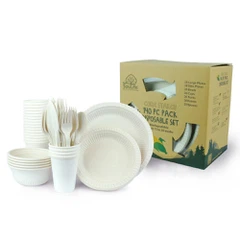
As a supplier of disposable plastic cutlery, I understand the challenges of transitioning away from this product. However, there are several alternatives available. Biodegradable cutlery made from materials such as bamboo, cornstarch, or sugarcane is becoming increasingly popular. These materials are renewable and break down much faster than traditional plastics.
Reusable cutlery is another option. Many people are now carrying their own metal or wooden cutlery sets when they go out, which reduces the need for disposable plastic cutlery. Some restaurants and cafes are also encouraging this trend by offering discounts to customers who bring their own cutlery.
As a supplier, I am committed to promoting more sustainable options. We are exploring the possibility of adding biodegradable cutlery to our product line and educating our customers about the disadvantages of disposable plastic cutlery.
Conclusion
In conclusion, while disposable plastic cutlery offers convenience, its disadvantages are numerous and far - reaching. The environmental, health, economic, aesthetic, and social impacts cannot be ignored. As a supplier, I recognize the need to take responsibility and play a role in the transition to more sustainable alternatives.
If you are interested in exploring more sustainable cutlery options or have any questions about our product range, please feel free to reach out. We are open to discussions and are eager to work with you to find the best solutions for your needs.
References
- Intergovernmental Panel on Climate Change (IPCC). (2021). Climate Change 2021: The Physical Science Basis.
- Ocean Conservancy. (2020). State of the Ocean Report.
- Various scientific studies on BPA and phthalates and their health effects published in peer - reviewed journals such as Environmental Health Perspectives and Journal of Pediatrics.
Send Inquiry