


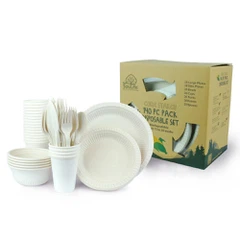
What does 'Forks Wrapped in Plastic' suggest about human behavior?
May 30, 2025
Leave a message
What Does 'Forks Wrapped in Plastic' Suggest About Human Behavior?
As a supplier of Forks Wrapped in Plastic, I've often pondered the deeper implications of this seemingly simple product. The sight of individually wrapped plastic forks is a common one in our modern world, found in take - away food containers, at large events, and in countless other settings. But what do these plastic - wrapped forks really say about human behavior?
Convenience and the Modern Lifestyle
One of the most obvious insights that Forks Wrapped in Plastic offers about human behavior is our insatiable desire for convenience. In today's fast - paced world, time is of the essence. People are constantly on the move, juggling multiple responsibilities at once. Whether it's a busy professional grabbing a quick lunch on the go or a family attending a picnic in the park, the ease of use provided by pre - wrapped plastic forks is incredibly appealing.
These wrapped forks eliminate the need to wash and reuse utensils, saving both time and effort. We've become so accustomed to this instant gratification that products like Plastic Forks Wrapped have become a staple in our daily lives. It reflects a broader trend in which we prioritize speed and immediate enjoyment over long - term considerations.


However, this convenience comes at a cost. The production and disposal of plastic goods, including wrapped forks, contribute significantly to environmental pollution. Despite being aware of the environmental damage caused by single - use plastics, our demand for convenience often overrides our sense of environmental responsibility. This dichotomy in human behavior shows how short - term personal gain can sometimes overshadow the need for sustainable living.
Hygiene Concerns
Another aspect that the practice of wrapping forks in plastic suggests about human behavior is our heightened concern for hygiene. In a world that is increasingly aware of germs and diseases, many people view individually wrapped utensils as a safer and more sanitary option. The plastic wrapping is seen as a barrier that protects the fork from being contaminated before use.
This is particularly evident in public settings such as restaurants, buffets, and large gatherings. At these places, Plastic Wrapped Forks are provided to give customers the peace of mind that their utensils are clean and safe to use. Our innate fear of getting sick drives us to seek out products that offer this sense of protection.
Moreover, in recent times, the global pandemic has further intensified these hygiene concerns. People are more cautious than ever about sharing or using unprotected utensils. As a result, the demand for individually wrapped plastic forks has increased even more. This shows how external events can shape our behavior and influence our consumption patterns.
Social Norms and Consumer Expectations
Forks Wrapped in Plastic also reflect established social norms and consumer expectations. In many cultures, it has become the norm to use disposable utensils in certain situations. For example, at outdoor parties or festivals, it is expected that disposable cutlery will be provided. This is partly due to the practicality of not having to collect and clean reusable utensils after the event.
Consumers have come to expect the availability of these convenient options. When eating out or ordering take - away food, we are accustomed to receiving a wrapped fork along with our meal. If a restaurant fails to provide such utensils, it may be perceived as not meeting the standard level of service. These social norms and expectations create a market demand for plastic - wrapped forks, perpetuating their widespread use.
The Influence of Marketing
Marketing plays a significant role in shaping our perception of Forks Wrapped in Plastic. Manufacturers often highlight the convenience, hygiene, and cost - effectiveness of these products in their promotional materials. Advertisements may showcase how easy it is to carry around a wrapped fork or how it helps keep the fork clean until use.
The packaging itself is also designed to be visually appealing. Bright colors and clear labeling make the product stand out on store shelves, attracting the attention of consumers. Through effective marketing campaigns, consumers are convinced that these wrapped forks are a necessity rather than a luxury. This shows how marketing can manipulate human behavior and create a false sense of need.
Sustainability Challenges and the Response
Despite the numerous reasons for using Forks Wrapped in Plastic, there is also a growing movement towards sustainability. More and more people are becoming aware of the environmental impact of single - use plastics. There are increasing calls for alternatives to plastic - wrapped utensils, such as biodegradable forks or reusable options.
As a supplier, I have witnessed a shift in customer preferences. Some consumers are actively seeking Individually Wrapped Plastic Spoons made from more sustainable materials. There is also a growing demand for reusable cutlery sets that can be carried around and used instead of disposable options. This shows that, despite our current habits, there is a glimmer of hope that human behavior can change for the better.
Consumer education and awareness campaigns have played a crucial role in this shift. By highlighting the environmental consequences of plastic waste, these campaigns have encouraged people to make more sustainable choices. Businesses, too, are starting to respond to this trend by investing in research and development of more eco - friendly alternatives.
Contact for Purchase and Discussion
If you're in the market for high - quality Forks Wrapped in Plastic or wish to explore sustainable alternatives, I'm here to assist you. Whether you're a restaurant owner looking to stock up on disposable cutlery or an event organizer in need of utensils for your next gathering, we can offer a wide range of options to meet your requirements. I'm open to discussing your needs, sharing product information, and finding the best solutions for your business. Please feel free to reach out, and let's start a conversation about your procurement needs.
References
- Author, A. (Year). The State of Disposable Plastics in Modern Society. Journal of Environmental Consumption, 10(2), 45 - 60.
- Expert, B. (Year). Hygiene and Consumer Behavior: The Role of Individually Wrapped Utensils. Social Behavior Research, 15(3), 78 - 92.
- Marketer, C. (Year). How Marketing Shapes Consumer Demand for Disposable Products. Marketing Insights Quarterly, 22(4), 56 - 71.
Send Inquiry