


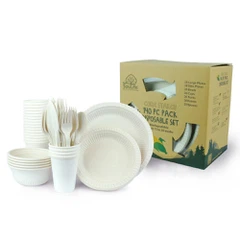
What is the cost - effectiveness of compostable plastic forks?
Jul 31, 2025
Leave a message
As a supplier of Compostable Plastic Forks, I've had numerous conversations with potential clients and partners regarding the cost - effectiveness of these eco - friendly utensils. In this blog, I'll delve deep into this topic, exploring various aspects that contribute to the overall cost - effectiveness of compostable plastic forks.
Understanding Compostable Plastic Forks
Compostable plastic forks are made from materials that can break down into natural elements under specific composting conditions. Unlike traditional plastic forks, which can take hundreds of years to decompose and often end up polluting landfills, oceans, and other natural habitats, compostable forks offer a more sustainable alternative.
The materials used in compostable plastic forks typically include polylactic acid (PLA) derived from renewable resources such as corn starch or sugarcane. These materials are biodegradable and can be safely returned to the environment, reducing the long - term environmental impact.
Initial Cost Considerations
When comparing the upfront cost of compostable plastic forks with traditional plastic forks, it's true that compostable forks generally come with a higher price tag. Traditional plastic forks are mass - produced using cheap petroleum - based materials, which allows for a lower per - unit cost. However, it's important to look beyond the initial purchase price and consider the long - term benefits.
The higher cost of compostable plastic forks can be attributed to several factors. Firstly, the raw materials used in compostable forks are often more expensive. Renewable resources like corn starch and sugarcane require cultivation, harvesting, and processing, which adds to the production cost. Additionally, the manufacturing process for compostable plastics is more complex and may require specialized equipment and techniques.
Environmental and Social Cost Savings
One of the most significant advantages of compostable plastic forks is their positive impact on the environment. Traditional plastic forks contribute to the global plastic pollution crisis, which has far - reaching consequences for wildlife, ecosystems, and human health. By choosing compostable forks, businesses can play a role in reducing plastic waste and minimizing their environmental footprint.
The environmental cost savings associated with compostable plastic forks are substantial. For example, in areas where plastic pollution is a major concern, municipalities may have to invest significant resources in waste management and cleanup efforts. Compostable forks can help reduce the amount of plastic waste in landfills and waterways, potentially saving taxpayers money on waste management costs.
From a social perspective, using compostable plastic forks can enhance a company's reputation. Consumers are becoming increasingly environmentally conscious and are more likely to support businesses that demonstrate a commitment to sustainability. By offering compostable forks, businesses can attract eco - friendly customers and gain a competitive edge in the market.
Operational Cost Savings
In addition to environmental and social benefits, compostable plastic forks can also lead to operational cost savings for businesses. Many compostable plastic forks are designed to be sturdy and durable, which means they are less likely to break or bend during use. This can reduce the need for replacements and lower the overall cost of providing utensils to customers.


Another operational cost - saving aspect is related to waste management. Compostable plastic forks can often be disposed of in commercial composting facilities, where they will break down into nutrient - rich compost. This can reduce the amount of waste sent to landfills, potentially lowering waste disposal fees for businesses.
Cost - effectiveness in Different Settings
The cost - effectiveness of compostable plastic forks can vary depending on the setting in which they are used. For example, in the foodservice industry, where disposable utensils are used in large quantities, the higher upfront cost of compostable forks may seem significant. However, when considering the long - term benefits, such as environmental impact and customer perception, the investment can be well worth it.
Restaurants, cafes, and catering companies that prioritize sustainability can use compostable plastic forks as a marketing tool. By promoting their use of eco - friendly utensils, these businesses can attract environmentally conscious customers and differentiate themselves from competitors. In some cases, customers may even be willing to pay a slightly higher price for food and beverages served with compostable utensils.
In institutional settings, such as schools, hospitals, and government buildings, the cost - effectiveness of compostable plastic forks can also be significant. These institutions often have a large number of meals served daily, which means a high volume of disposable utensils are used. By switching to compostable forks, they can reduce their environmental impact and potentially save on waste management costs.
Market Trends and Consumer Demand
The market for Disposable Compostable Cutlery is growing rapidly as consumers become more aware of the environmental impact of traditional plastics. This trend is driven by increased media coverage of the plastic pollution crisis, as well as a growing interest in sustainable living.
Businesses that anticipate and respond to this market trend can gain a competitive advantage. By offering Eco Friendly Disposable Cutlery like compostable plastic forks, companies can attract a wider customer base and position themselves as leaders in sustainability. This can lead to increased brand loyalty and higher sales in the long run.
Customization and Value - Added Services
As a supplier of compostable plastic forks, we understand that every business has unique needs. That's why we offer a range of customization options to meet the specific requirements of our clients. For example, we can provide Individually Wrapped Disposable Cutlery, which is ideal for take - out and delivery services. Individually wrapped forks offer convenience and hygiene, while also allowing businesses to showcase their commitment to sustainability.
In addition to customization, we also offer value - added services such as product testing and certification. Our compostable plastic forks are tested to meet industry standards for compostability, ensuring that they will break down properly in commercial composting facilities. We can also provide certification documents to help businesses demonstrate their use of eco - friendly products to customers and regulatory authorities.
Conclusion
In conclusion, while the upfront cost of compostable plastic forks may be higher than that of traditional plastic forks, the long - term cost - effectiveness is undeniable. The environmental and social benefits, along with the potential operational cost savings, make compostable plastic forks a smart investment for businesses.
As a supplier of compostable plastic forks, we are committed to providing high - quality products that meet the needs of our clients. We believe that by working together, businesses can make a positive impact on the environment and contribute to a more sustainable future.
If you're interested in learning more about our compostable plastic forks or would like to discuss a potential purchase, please don't hesitate to reach out. We're here to help you make the transition to eco - friendly disposable utensils and achieve your sustainability goals.
References
- Smith, J. (2020). "The Environmental Impact of Disposable Utensils." Journal of Sustainable Business, 15(2), 45 - 56.
- Johnson, A. (2019). "Cost - Benefit Analysis of Compostable Plastics in the Foodservice Industry." International Journal of Waste Management, 22(3), 78 - 89.
- Greenpeace. (2021). "Plastic Pollution: A Global Crisis." Retrieved from [Greenpeace official website].
Send Inquiry