


Are compostable plastic forks made from renewable resources?
Dec 31, 2025
Leave a message
Are compostable plastic forks made from renewable resources? This is a question that has gained significant attention in recent years as the world becomes more environmentally conscious. As a supplier of compostable plastic forks, I am often asked about the materials used in our products and their environmental impact. In this blog post, I will delve into the topic, exploring whether compostable plastic forks are indeed made from renewable resources and why this matters.
Understanding Compostable Plastic Forks
Compostable plastic forks are designed to break down into natural elements under specific composting conditions. Unlike traditional plastic forks, which can take hundreds of years to decompose and often end up in landfills or oceans, compostable forks offer a more sustainable alternative. They are typically made from bioplastics, which are plastics derived from renewable biomass sources such as plants.


Renewable Resources in Compostable Plastic Forks
The most common materials used in compostable plastic forks are polylactic acid (PLA) and cellulose acetate propionate (CAP).
Polylactic Acid (PLA)
PLA is a biodegradable thermoplastic made from lactic acid, which is produced by fermenting carbohydrates such as corn starch or sugarcane. These raw materials are renewable resources because they can be replenished within a relatively short period. Corn, for example, is an annual crop that can be harvested and replanted every year. The production of PLA from these renewable sources reduces the reliance on fossil fuels, which are finite and contribute to greenhouse gas emissions.
Cellulose Acetate Propionate (CAP)
CAP is another material used in compostable plastic forks. It is derived from cellulose, which is the main structural component of plants. Cellulose can be obtained from wood pulp, cotton, or other plant fibers. Like corn starch and sugarcane, these plant sources are renewable, making CAP a sustainable option for fork production.
The Benefits of Using Renewable Resources
There are several benefits to using renewable resources in the production of compostable plastic forks.
Environmental Sustainability
By using renewable resources, we reduce the demand for fossil fuels and minimize the environmental impact associated with their extraction and processing. Fossil fuel extraction can lead to habitat destruction, water pollution, and air pollution. In contrast, renewable resources such as plants can be grown in an environmentally friendly manner, with proper agricultural practices that minimize the use of pesticides and fertilizers.
Reduced Carbon Footprint
The production of compostable plastic forks from renewable resources generally has a lower carbon footprint compared to traditional plastic forks. When plants grow, they absorb carbon dioxide from the atmosphere through photosynthesis. This carbon is then stored in the plant material, which is used to make the forks. When the forks decompose in a composting environment, the carbon is released back into the atmosphere, but the overall carbon cycle is more balanced compared to the use of fossil fuels, which release large amounts of carbon dioxide that has been stored underground for millions of years.
Biodegradability
Compostable plastic forks made from renewable resources are designed to break down into natural elements such as water, carbon dioxide, and biomass under composting conditions. This means that they do not contribute to the accumulation of plastic waste in landfills or the environment. Instead, they can be recycled back into the soil, enriching it and supporting plant growth.
Our Product Range
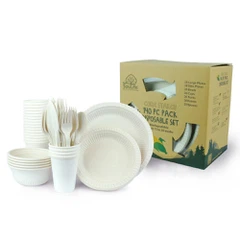
As a supplier of compostable plastic forks, we offer a wide range of products to meet the diverse needs of our customers. Our Eco Friendly Disposable Cutlery is made from high-quality renewable materials, ensuring both environmental sustainability and excellent performance. We also provide Cpla Compostable Disposable Cultery, which is known for its durability and compostability. In addition, our Black Disposable Silverware offers a stylish and eco-friendly option for special events and occasions.
Meeting Industry Standards
Our compostable plastic forks are designed to meet strict industry standards for compostability. They are certified to break down within a specific time frame under controlled composting conditions, ensuring that they can be safely and effectively composted in commercial composting facilities. This certification provides our customers with the assurance that our products are truly environmentally friendly and contribute to a more sustainable future.
The Future of Compostable Plastic Forks
The demand for compostable plastic forks is expected to continue to grow in the coming years as more consumers and businesses become aware of the environmental impact of traditional plastic products. As a supplier, we are committed to innovation and continuous improvement. We are constantly researching and developing new materials and production processes to make our forks even more sustainable and cost-effective.
Contact Us for Procurement
If you are interested in purchasing our compostable plastic forks or have any questions about our products, we encourage you to contact us. We are happy to discuss your specific requirements and provide you with a customized solution. Our team of experts is dedicated to providing excellent customer service and ensuring that you are satisfied with your purchase.
References
- European Bioplastics. (2021). Bioplastics Market Data 2021. Retrieved from European Bioplastics website.
- International Organization for Standardization. (2019). ISO 17088:2019 Plastics — Specification for compostable plastics. Geneva: ISO.
- United States Department of Agriculture. (2020). Agricultural Resources and Environmental Indicators. Retrieved from USDA website.
Send Inquiry