


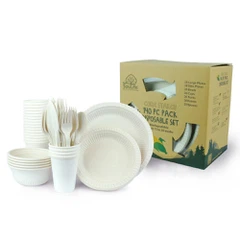
What are the different types of eco friendly forks?
Jul 14, 2025
Leave a message
Hey there! I'm a supplier of eco-friendly forks, and I'm super stoked to share with you the different types of these awesome utensils. In today's world, being environmentally conscious is more important than ever, and choosing the right eco-friendly forks can make a real difference. So, let's dive in and explore the various options available.
Bamboo Forks
Bamboo is one of the most popular materials for eco-friendly forks. It's a fast-growing and renewable resource, which means it can be harvested without causing significant damage to the environment. Bamboo forks are strong, durable, and have a natural, rustic look that many people love.
One of the great things about bamboo forks is that they're biodegradable. When you're done using them, you can simply toss them into your compost bin, and they'll break down over time. This is a huge plus compared to traditional plastic forks, which can take hundreds of years to decompose.
Another advantage of bamboo forks is that they're relatively inexpensive. They're a great option for both personal use and for businesses that are looking to offer eco-friendly dining options to their customers. Whether you're having a picnic in the park or running a small café, bamboo forks are a practical and sustainable choice.
Wooden Forks
Wooden forks are another classic option for eco-friendly dining. Like bamboo, wood is a renewable resource, and it has a warm, natural feel that adds a touch of elegance to any meal. There are several types of wood that can be used to make forks, including maple, birch, and beech.
One of the benefits of wooden forks is that they're sturdy and can handle a variety of foods. They're great for eating everything from salads to steaks. However, it's important to note that wooden forks need to be properly cared for to prevent them from warping or cracking. You should avoid soaking them in water for long periods of time and dry them thoroughly after each use.
Wooden forks are also biodegradable, which makes them a great choice for the environment. They can be composted along with other organic materials, reducing the amount of waste that ends up in landfills. And if you're looking for a more unique option, you can even find wooden forks that are hand-carved or have intricate designs.
Compostable Plastic Forks
Compostable plastic forks are a relatively new option on the market, but they're quickly gaining popularity. These forks are made from materials that can break down in a composting environment, such as Compostable Plastic Forks. Unlike traditional plastic forks, which are made from petroleum-based materials and can take hundreds of years to decompose, compostable plastic forks can break down in a matter of months.
One of the advantages of compostable plastic forks is that they have a similar look and feel to traditional plastic forks. They're lightweight, durable, and can be used for a variety of foods. They're also a great option for businesses that need to provide disposable cutlery to their customers, as they're more environmentally friendly than traditional plastic forks.
However, it's important to note that not all compostable plastic forks are created equal. Some require specific composting conditions in order to break down properly, so it's important to read the labels carefully. Additionally, compostable plastic forks are generally more expensive than traditional plastic forks, but the cost is often worth it for the environmental benefits.
Cpla Compostable Disposable Cultery
CPLA (Cellulose Propionate Lactate) is a type of compostable material that is commonly used to make disposable cutlery, including forks. Cpla Compostable Disposable Cultery is a great option for those who are looking for a high-quality, eco-friendly alternative to traditional plastic cutlery.
CPLA cutlery is made from renewable resources, such as corn starch and cellulose, and it can break down in a composting environment within a few months. It has a smooth, glossy finish and a sturdy construction, making it suitable for both hot and cold foods.
One of the benefits of CPLA cutlery is that it's dishwasher safe, which makes it easy to clean and reuse. This is a great option for businesses that want to reduce their waste and save money on disposable cutlery. Additionally, CPLA cutlery is available in a variety of colors and styles, so you can choose the option that best suits your needs.
PLA Spoon
PLA (Polylactic Acid) is another popular material for eco-friendly cutlery, including spoons. PLA Spoon is made from renewable resources, such as corn starch, and it can break down in a composting environment within a few months.
PLA spoons have a similar look and feel to traditional plastic spoons, but they're much more environmentally friendly. They're lightweight, durable, and can be used for a variety of foods, including soups, cereals, and desserts.
One of the advantages of PLA spoons is that they're available in a variety of sizes and shapes, so you can choose the option that best suits your needs. They're also a great option for businesses that want to offer eco-friendly dining options to their customers, as they're more affordable than some of the other eco-friendly cutlery options.
Choosing the Right Eco-Friendly Forks
When it comes to choosing the right eco-friendly forks, there are several factors to consider. First, think about your specific needs and how you'll be using the forks. If you're using them for personal use at home, you might prefer a more durable option, such as bamboo or wooden forks. If you're running a business and need to provide disposable cutlery to your customers, compostable plastic forks or CPLA cutlery might be a better choice.
Another factor to consider is the cost. Eco-friendly forks can vary in price depending on the material and the brand. While some options, such as bamboo and wooden forks, are relatively inexpensive, others, such as compostable plastic forks and CPLA cutlery, can be more expensive. However, it's important to remember that the environmental benefits of using eco-friendly forks often outweigh the cost.
Finally, think about the composting options available to you. If you have access to a commercial composting facility, you'll have more options when it comes to choosing eco-friendly forks. However, if you're relying on home composting, you'll need to choose forks that can break down in a home composting environment.
Contact Us for Procurement
If you're interested in purchasing eco-friendly forks for your personal use or for your business, I'd love to hear from you. We offer a wide range of eco-friendly forks made from different materials, so you're sure to find the perfect option for your needs. Whether you're looking for bamboo forks, wooden forks, compostable plastic forks, CPLA cutlery, or PLA spoons, we've got you covered.
We pride ourselves on providing high-quality products at competitive prices, and we're committed to helping our customers make more sustainable choices. So, if you have any questions or would like to discuss your procurement needs, please don't hesitate to get in touch. We're here to help you make the switch to eco-friendly dining.


References
- "The Benefits of Using Compostable Plastic Cutlery." Environmental Protection Agency.
- "Sustainable Materials for Disposable Cutlery." Journal of Sustainable Materials and Technologies.
- "Composting 101: How to Compost at Home." National Wildlife Federation.
Send Inquiry