


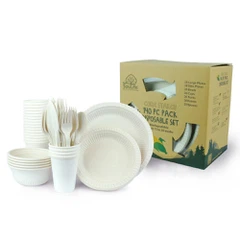
What are the disadvantages of using disposable cutlery sets?
Jul 04, 2025
Leave a message
As a supplier of disposable cutlery sets, I've witnessed firsthand the convenience they bring to various settings, from outdoor picnics to large - scale catering events. However, it's essential to have an open and honest conversation about the disadvantages of using these products. While they offer practicality, there are several drawbacks that we need to consider.
Environmental Impact
One of the most significant disadvantages of disposable cutlery sets is their environmental footprint. Most disposable cutlery is made from plastic, which is derived from fossil fuels. The extraction and processing of these fossil fuels contribute to greenhouse gas emissions, which are a major driver of climate change. Once the plastic cutlery is used, it often ends up in landfills. Plastic is non - biodegradable, meaning it can take hundreds of years to break down. In landfills, it takes up valuable space and can release harmful chemicals into the soil and groundwater over time.
For example, Wrapped Plastic Cutlery Set with Napkin and Plastic Cutlery with Napkin are popular products, but their plastic components pose a long - term environmental threat. Additionally, a large amount of disposable cutlery is also littered, finding its way into rivers, oceans, and other natural habitats. Marine animals can mistake plastic cutlery for food, leading to ingestion and entanglement. This can cause injury, starvation, and even death, disrupting the delicate balance of marine ecosystems.
Even when it comes to seemingly more eco - friendly options like Disposable Bamboo Cutlery Set, there are still environmental concerns. Although bamboo is a renewable resource, the production process often involves chemicals and energy. Transporting the bamboo cutlery from the manufacturing site to the end - user also contributes to carbon emissions. Moreover, if not disposed of properly, bamboo cutlery can still end up in landfills and take longer to decompose than expected due to improper conditions.
Health Risks
Disposable cutlery sets can also pose health risks. Plastic cutlery, in particular, may contain harmful chemicals such as bisphenol A (BPA) and phthalates. BPA is a synthetic compound that has been linked to various health problems, including hormonal imbalances, reproductive issues, and an increased risk of certain cancers. When plastic cutlery is exposed to hot food or drinks, these chemicals can leach into the food and be ingested by the consumer.


In addition, the quality control of disposable cutlery can vary significantly. Some low - quality disposable cutlery may have sharp edges or rough surfaces, which can cause cuts or abrasions in the mouth or throat. Moreover, if the cutlery is not manufactured in a hygienic environment, it can be contaminated with bacteria, viruses, or other pathogens, leading to foodborne illnesses.
Economic Inefficiency
From an economic perspective, using disposable cutlery sets can be inefficient in the long run. Although the upfront cost of disposable cutlery is relatively low, the cumulative cost over time can be substantial, especially for businesses that rely heavily on these products. For example, restaurants that serve a large number of customers daily may find that the cost of continuously purchasing disposable cutlery adds up quickly.
In contrast, investing in reusable cutlery may require a higher initial investment, but it can save money in the long term. Reusable cutlery is more durable and can be used multiple times, reducing the need for frequent replacements. Additionally, the maintenance cost of reusable cutlery, such as washing and sanitizing, is often lower than the cost of continuously buying new disposable cutlery.
Aesthetic and Quality Concerns
Disposable cutlery sets often lack the aesthetic appeal and quality of traditional, reusable cutlery. They are usually made from thin and flimsy materials, which can make them feel cheap and less comfortable to use. For formal events or high - end restaurants, disposable cutlery may not be appropriate as it can detract from the overall dining experience.
The quality of disposable cutlery can also be inconsistent. Some pieces may break or bend easily, especially when used to cut through tougher foods. This can be frustrating for consumers and may lead to a negative perception of the food service provider.
Social and Cultural Impact
The widespread use of disposable cutlery sets also has social and cultural implications. In many cultures, sharing a meal with family and friends using proper, reusable cutlery is an important part of the dining experience. Disposable cutlery sets can undermine this cultural tradition by promoting a more disposable and impersonal approach to dining.
Moreover, the reliance on disposable cutlery can contribute to a throw - away culture, where people are less likely to value and take care of their possessions. This can have broader implications for society, as it may lead to a lack of respect for resources and a decrease in environmental awareness.
Mitigating the Disadvantages
As a supplier, I understand the importance of addressing these disadvantages. We are constantly exploring ways to reduce the environmental impact of our products. For example, we are looking into more sustainable materials and manufacturing processes for our disposable cutlery sets. We are also working on improving the quality control to ensure that our products are safe and of high quality.
For customers, there are several steps they can take to mitigate the disadvantages. They can choose to use reusable cutlery whenever possible, especially for daily use. When disposable cutlery is necessary, they can opt for more eco - friendly options like bamboo or biodegradable plastic. Additionally, proper disposal of disposable cutlery is crucial to minimize its environmental impact.
Conclusion
While disposable cutlery sets offer convenience, it's clear that they come with a range of disadvantages. The environmental, health, economic, aesthetic, and social impacts of these products cannot be ignored. As a supplier, I am committed to working towards more sustainable solutions and providing high - quality products that minimize these drawbacks.
If you are interested in learning more about our disposable cutlery sets or have any questions regarding our efforts to address these issues, I encourage you to reach out for a procurement discussion. We are eager to work with you to find the best solutions for your needs.
References
- "The Impact of Plastic Pollution on Marine Life." National Geographic.
- "Health Effects of Bisphenol A (BPA)." Centers for Disease Control and Prevention.
- "Sustainable Materials in the Food Service Industry." Journal of Sustainable Food and Agriculture.
Send Inquiry