


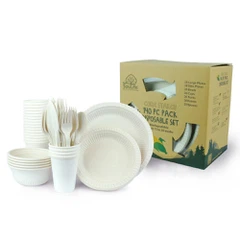
What is the design of the handles on the disposable utensils in a set?
Oct 16, 2025
Leave a message
In the world of disposable utensils, the design of the handles on a set of disposable utensils is a crucial aspect that often goes unnoticed. As a supplier of Disposable Utensils Sets, I've had the privilege of delving deep into the intricacies of these designs, understanding their functionality, aesthetics, and the impact they have on the overall user experience.
The Basics of Handle Design
The handle of a disposable utensil serves as the interface between the user and the tool. It must be designed in a way that provides a comfortable grip, allowing for easy manipulation of the utensil during use. This means considering factors such as shape, size, and texture.
Shape
The shape of the handle can vary widely depending on the type of utensil. For example, forks and spoons often have a more rounded shape, which conforms to the natural curvature of the hand. This design allows for a secure and comfortable grip, reducing the risk of the utensil slipping during use. Knives, on the other hand, typically have a more angular shape, providing a stable base for cutting.
Size
The size of the handle is also an important consideration. It should be large enough to accommodate the average hand size, but not so large that it becomes cumbersome to hold. A well-designed handle will strike the perfect balance between comfort and functionality, ensuring that users can use the utensil with ease.
Texture
Texture plays a significant role in the grip of a disposable utensil handle. A smooth handle may be prone to slipping, especially when wet or greasy. To combat this, many disposable utensils feature a textured surface on the handle. This can include ridges, bumps, or other patterns that provide additional friction, making it easier to hold the utensil securely.
Materials and Their Impact on Handle Design
The materials used to make disposable utensils can have a significant impact on the design of the handles. Different materials offer different properties, which can influence the shape, size, and texture of the handle.
Plastic
Plastic is one of the most common materials used in disposable utensils. It is lightweight, durable, and relatively inexpensive. Plastic handles can be molded into a variety of shapes and sizes, allowing for a high degree of customization. They can also be easily textured to improve grip. For example, our Plastic Cutlery Set Individually Wrapped features plastic handles with a textured surface for a secure grip.
Wood
Wood is another popular material for disposable utensils. It has a natural, rustic look and feel that many people find appealing. Wood handles are typically smooth, but they can be sanded or treated to create a more textured surface. Our Disposable Wooden Cutlery Set is made from high-quality wood, providing a comfortable and eco-friendly option for users.
Biodegradable Materials
With the increasing focus on sustainability, many disposable utensil manufacturers are turning to biodegradable materials. These materials, such as bamboo, cornstarch, and sugarcane, offer a more environmentally friendly alternative to traditional plastics. Biodegradable handles can be designed to mimic the look and feel of plastic or wood, while also providing the same level of functionality.


Ergonomics and User Experience
In addition to functionality and aesthetics, the design of the handles on disposable utensils must also take into account ergonomics and the overall user experience. A well-designed handle will make the utensil easier and more comfortable to use, reducing fatigue and improving the overall dining experience.
Comfort
Comfort is key when it comes to handle design. The handle should fit comfortably in the hand, without causing any discomfort or strain. This means considering factors such as the shape, size, and texture of the handle, as well as the weight of the utensil.
Ease of Use
The handle should also be designed to make the utensil easy to use. This includes features such as a balanced weight distribution, a secure grip, and a smooth operation. For example, a fork with a well-designed handle will allow users to easily pick up food without it slipping off the tines.
Aesthetics
While functionality is important, aesthetics also play a role in the design of the handles on disposable utensils. A visually appealing handle can enhance the overall dining experience, making the meal more enjoyable. This can include features such as a unique shape, a decorative pattern, or a color that complements the food.
Customization and Branding
As a supplier of Disposable Utensils Sets, we understand the importance of customization and branding. Many of our customers are looking for ways to differentiate their products from the competition, and the design of the handles on the disposable utensils can be a great way to do this.
Custom Shapes and Sizes
We offer a wide range of custom shapes and sizes for our disposable utensil handles. This allows our customers to create a unique and personalized product that stands out from the crowd. For example, we can create handles in the shape of a logo or a specific design, adding a touch of branding to the utensil.
Custom Printing
In addition to custom shapes and sizes, we also offer custom printing on the handles of our disposable utensils. This allows our customers to add their logo, brand name, or a custom message to the utensil, increasing brand visibility and recognition. For example, our Wrapped Forks with Napkin can be customized with a printed logo or message, making them a great promotional item.
Conclusion
The design of the handles on a set of disposable utensils is a complex and important aspect of the product. It must take into account factors such as functionality, aesthetics, ergonomics, and customization. As a supplier of Disposable Utensils Sets, we are committed to providing our customers with high-quality products that meet their needs and exceed their expectations. If you are interested in learning more about our disposable utensil sets or would like to discuss custom design options, please don't hesitate to contact us. We look forward to working with you to create the perfect disposable utensil set for your business.
References
- Norman, D. A. (2002). The Design of Everyday Things. Basic Books.
- Pheasant, S., & Haslegrave, C. M. (2006). Bodyspace: Anthropometry, Ergonomics and the Design of Work. Taylor & Francis.
- Veitch, J. A., & Newsham, G. R. (2000). The impact of interior color on human performance and mood. Color Research & Application, 25(3), 184-198.
Send Inquiry