


Reducing Plastic At The Source: New Regulations Will Be Implemented in Multiple States in The United States Starting From July
Jul 15, 2025
Leave a message
On July 1, 2025, 12 U.S. states-including California, New York, Delaware, and Illinois-simultaneously launched their "strictest plastic bans," targeting supermarkets, restaurants, hotels, and other sectors, marking a new phase in the country's fight against plastic pollution.
Key Ban Details:
Banned Items: Polystyrene foam containers, disposable plastic stirrers, cocktail picks, and plastic straws (only provided upon customer request). Some states, like Illinois, require hotels to phase out small plastic bottles of personal care products by 2026.
Phased Implementation: Virginia mandates chain restaurants (with 20+ locations) to stop using EPS foam containers by July 1, 2025, while small businesses have until July 1, 2026. Delaware exempts scenarios like seafood transport packaging and medical plastic use.
Producer Accountability: States like Oregon and Minnesota introduced the "Extended Producer Responsibility (EPR)" system, requiring packaging and food companies to join producer responsibility organizations and cover costs for product lifecycle management.
Industry and Consumer Impact:
Retail giant Aldi has already eliminated plastic bags in its 2,500+ U.S. stores, replacing them with paper bags (costing ~12 cents each). Consumers are gradually adapting to bringing reusable bags, though some face minor costs when forgetting to do so.
Demand for biodegradable materials and reusable packaging is rising, but current alternatives remain costly (biodegradable plastics cost 2-3 times more than traditional plastics) and underdeveloped (global annual capacity is only 2 million tons).
Federal and International Trends:
By 2032, disposable plastics will be banned in U.S. national parks and 480 million acres of federal land, potentially reducing 14 million tons of ocean plastic pollution.
Internationally, 175 countries agreed in 2022 to draft a legally binding treaty to end plastic pollution by 2024, driving U.S. federal action.

Recommendations for Restaurant Owners: Disposable Cutlery Pack Adjustments
To comply with plastic bans and adapt to environmental trends, restaurants can optimize their disposable cutlery packs with these strategies:
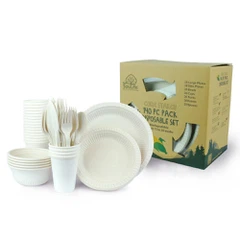
Replace Traditional Plastic Packs Immediately: Stop using polystyrene foam containers and single-use plastic cutlery. Switch to biodegradable materials (e.g., PLA, starch-based) or reusable options (stainless steel, bamboo) to meet state bans (e.g., Delaware's foam container prohibition).
Simplify Pack Design to Reduce Plastic Use: Replace individually plastic-wrapped utensils with bulk or paper-packaged options. Avoid over-packaging (e.g., plastic film around each piece) to minimize plastic waste.
Offer Eco-Friendly Defaults, Provide Plastic Only on Request: Include paper straws and biodegradable containers in standard cutlery packs. Reserve plastic straws for customer requests (aligning with Delaware's "on-demand" rule) to avoid over-supply.
Engage with Suppliers Under EPR Policies: Partner with packaging suppliers participating in producer responsibility organizations (as required in Oregon) to share recycling costs and ease compliance pressure.

Encourage Customers to Reduce Disposable Use: Promote "bring your own cutlery" or "no cutlery" orders via in-store posters, menus, or delivery platforms. Default to no cutlery unless customers opt in, fostering eco-friendly habits.
Plan Supply Chains Early to Control Costs: Secure long-term partnerships with biodegradable material suppliers to reduce costs through bulk purchases. Test alternatives for performance (e.g., heat resistance, durability) to ensure they meet takeout needs (e.g., leak-proof, insulating containers).
Plastic reduction is inevitable. Restaurants can turn compliance into an opportunity to enhance brand reputation while balancing costs and regulations through design and supply chain optimization.
Send Inquiry